
Dezi Magazine (Dezine) is where we dive into the business of being a working creative.
We interview artists, highlight their process, and explore culturally urgent discourses.
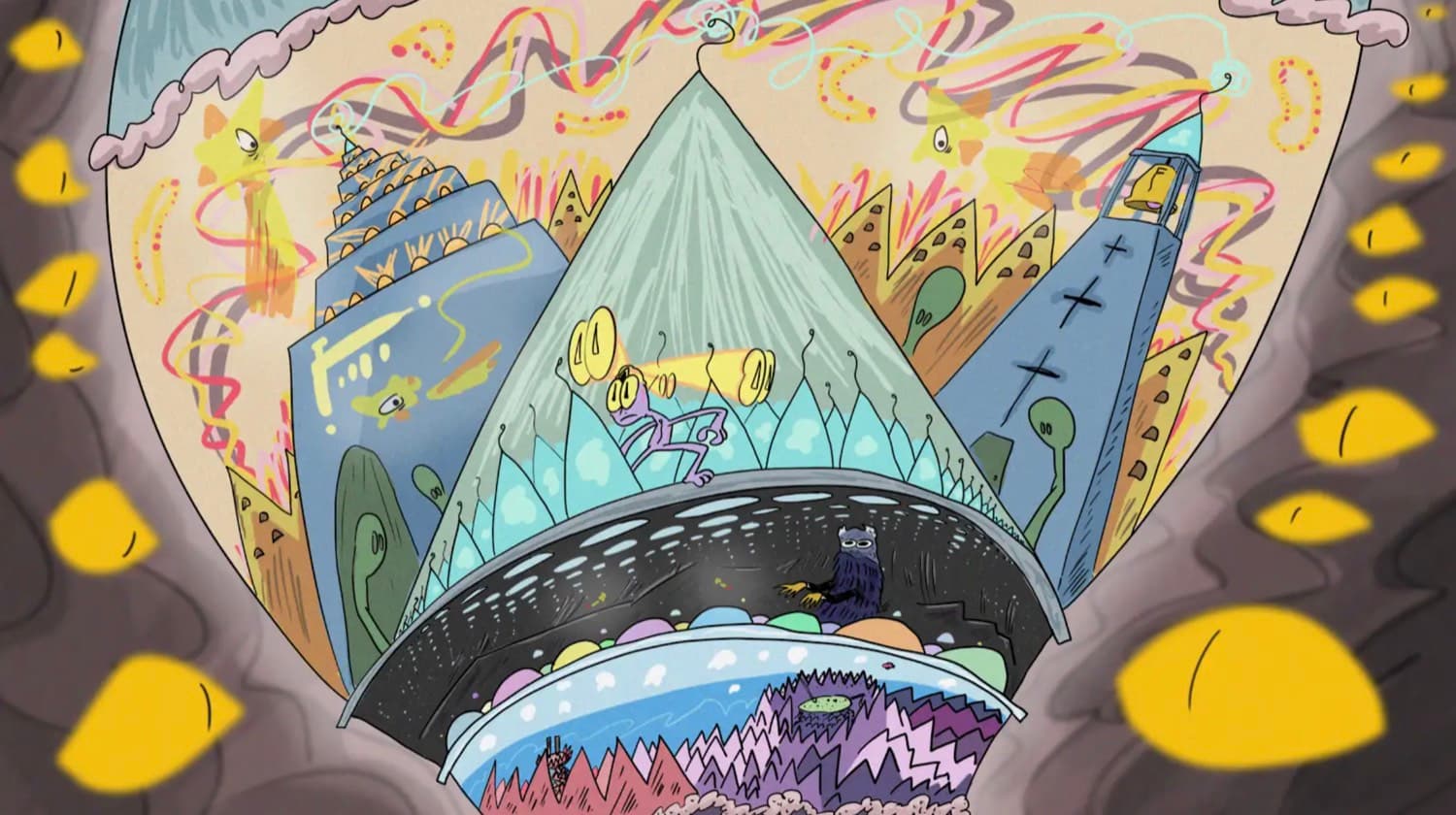
The Economics of an Independant Animation Practice With Jonni Peppers
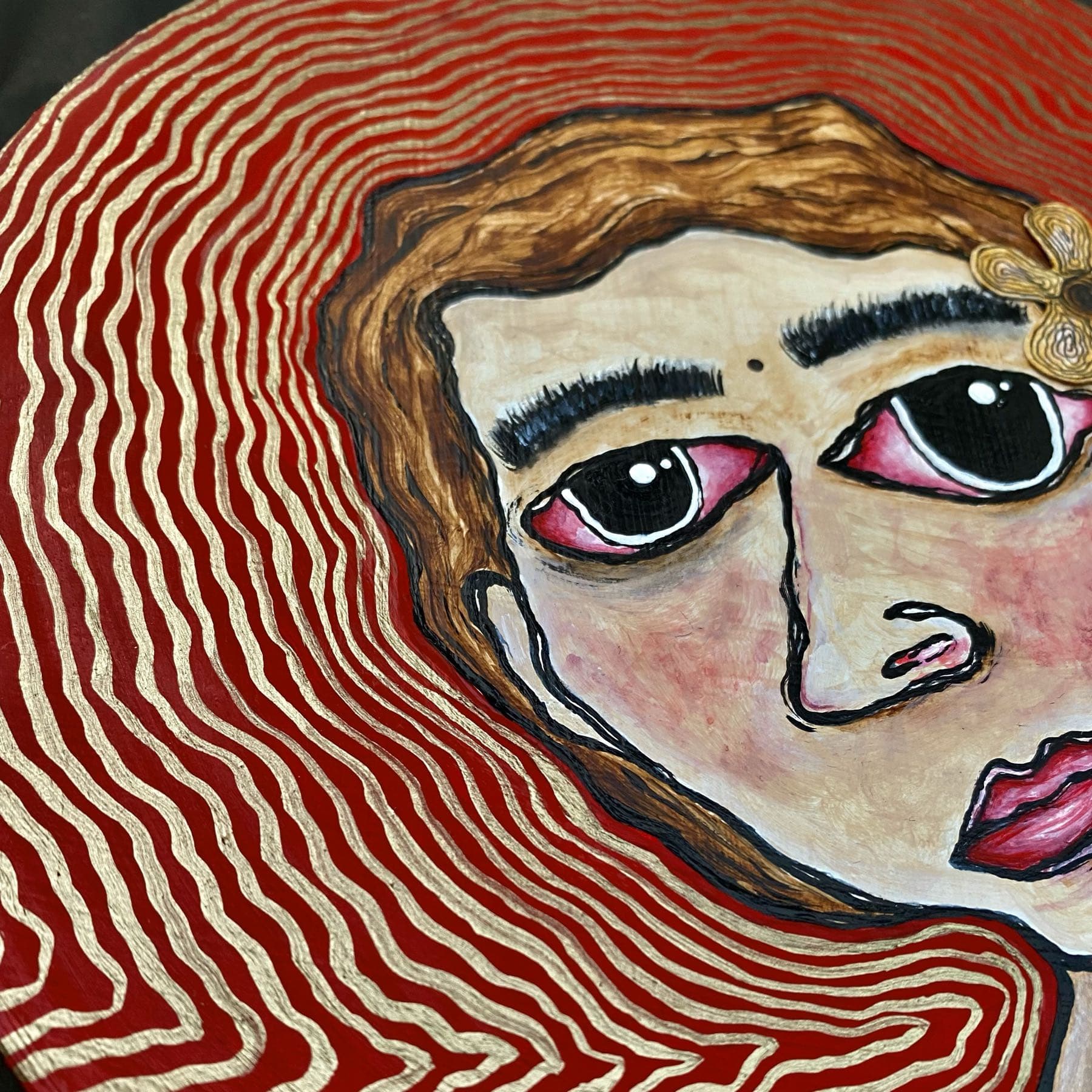
Art Without Institutional Validation: A Conversation With Srishti Madaan
Jessy Koeiman on Building a Sustainable Creative Career
The Dezi 2026 Cohort: Coming Soon
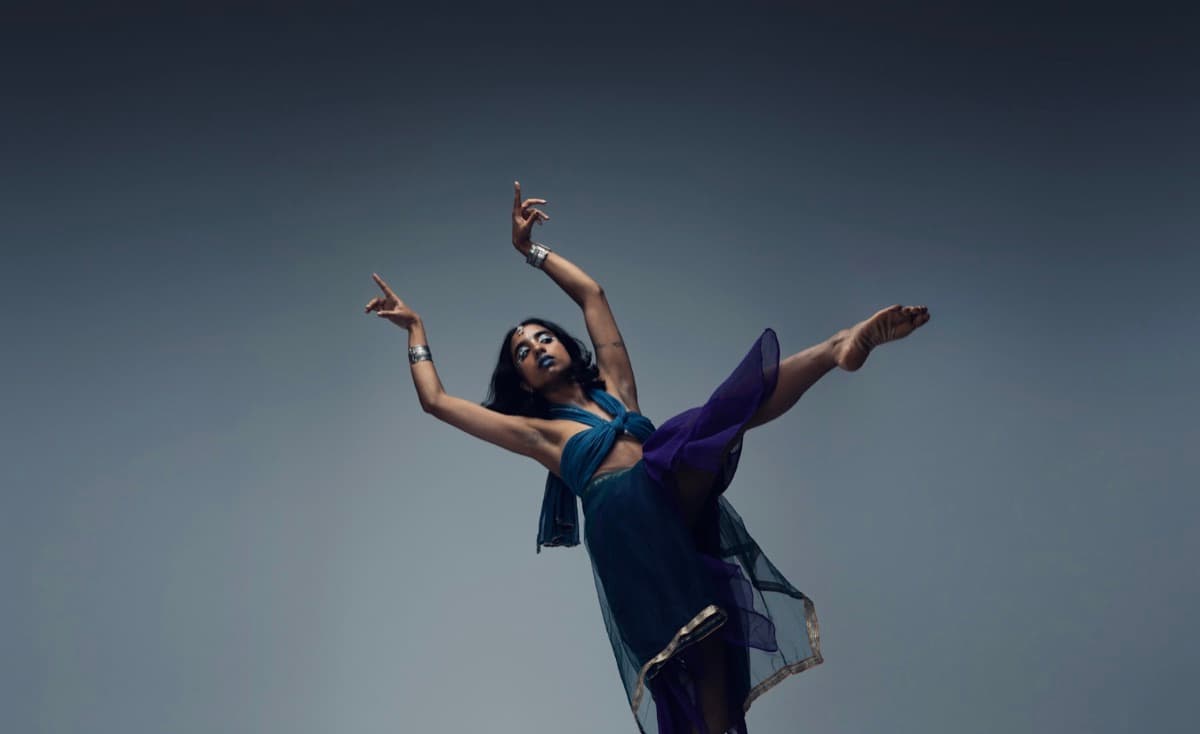
Professional Dancing as a Clinical Researcher: Swetha Chandra

A Multidisciplinary Art Career: Elgin Smith
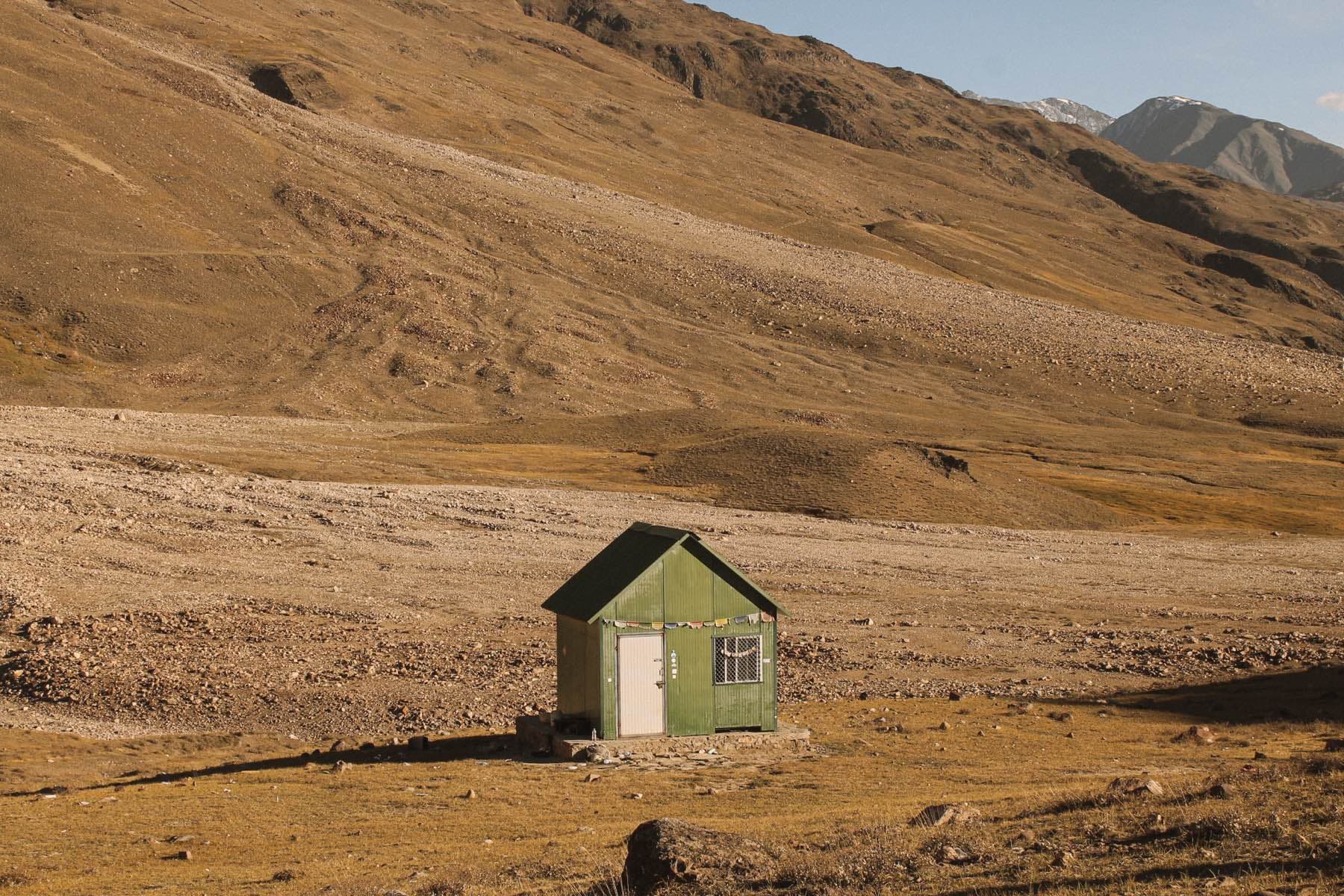
The Poetic Photographer: How Aneisha Crafted a Sustainable Career
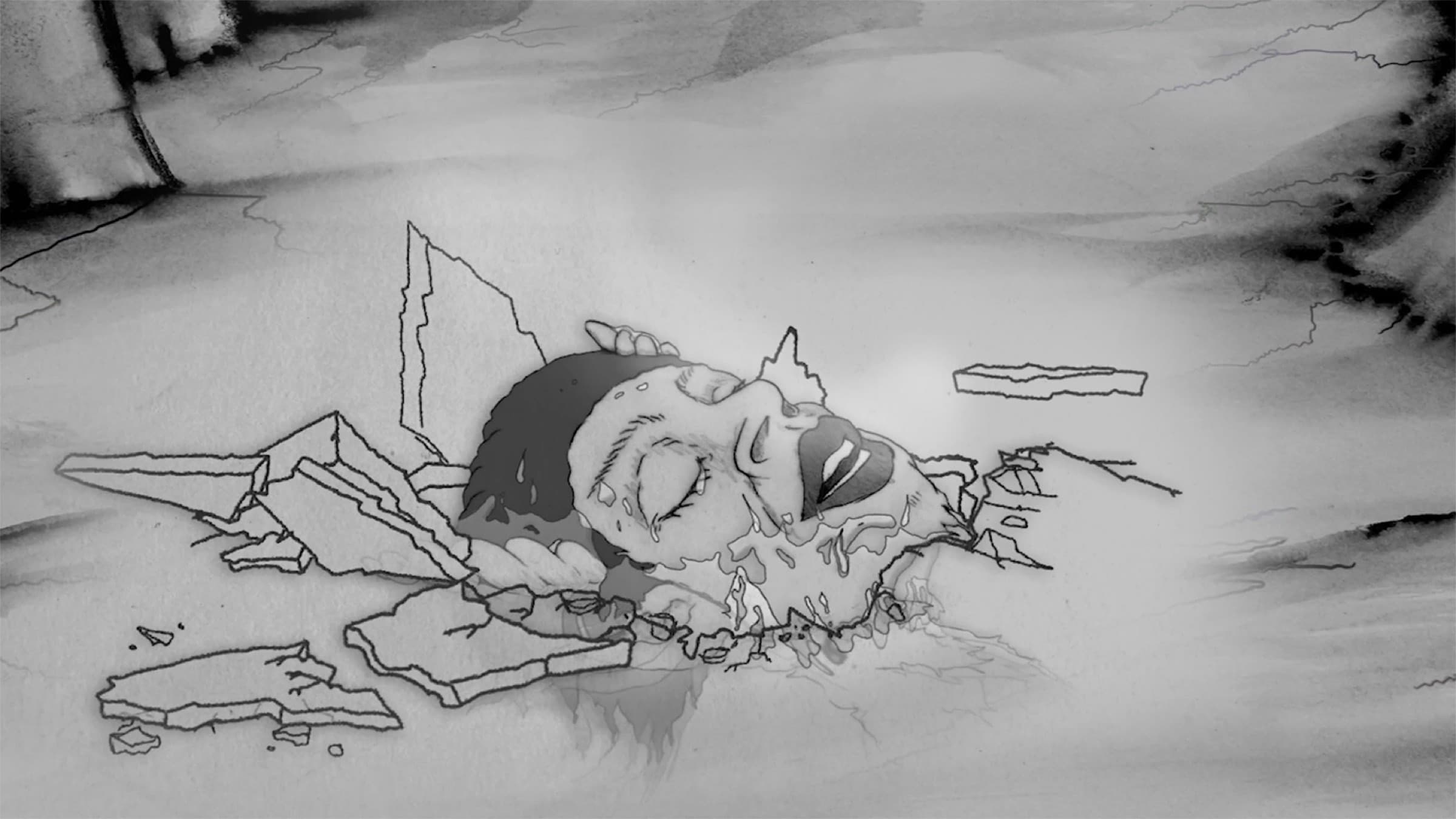
Christopher Sullivan on the Intricacies of Independent Filmmaking
Art Grants, Fellowships, and Residencies, Explained

How Do Artists Actually Get Paid?

How to Actually Apply for Artist Grants
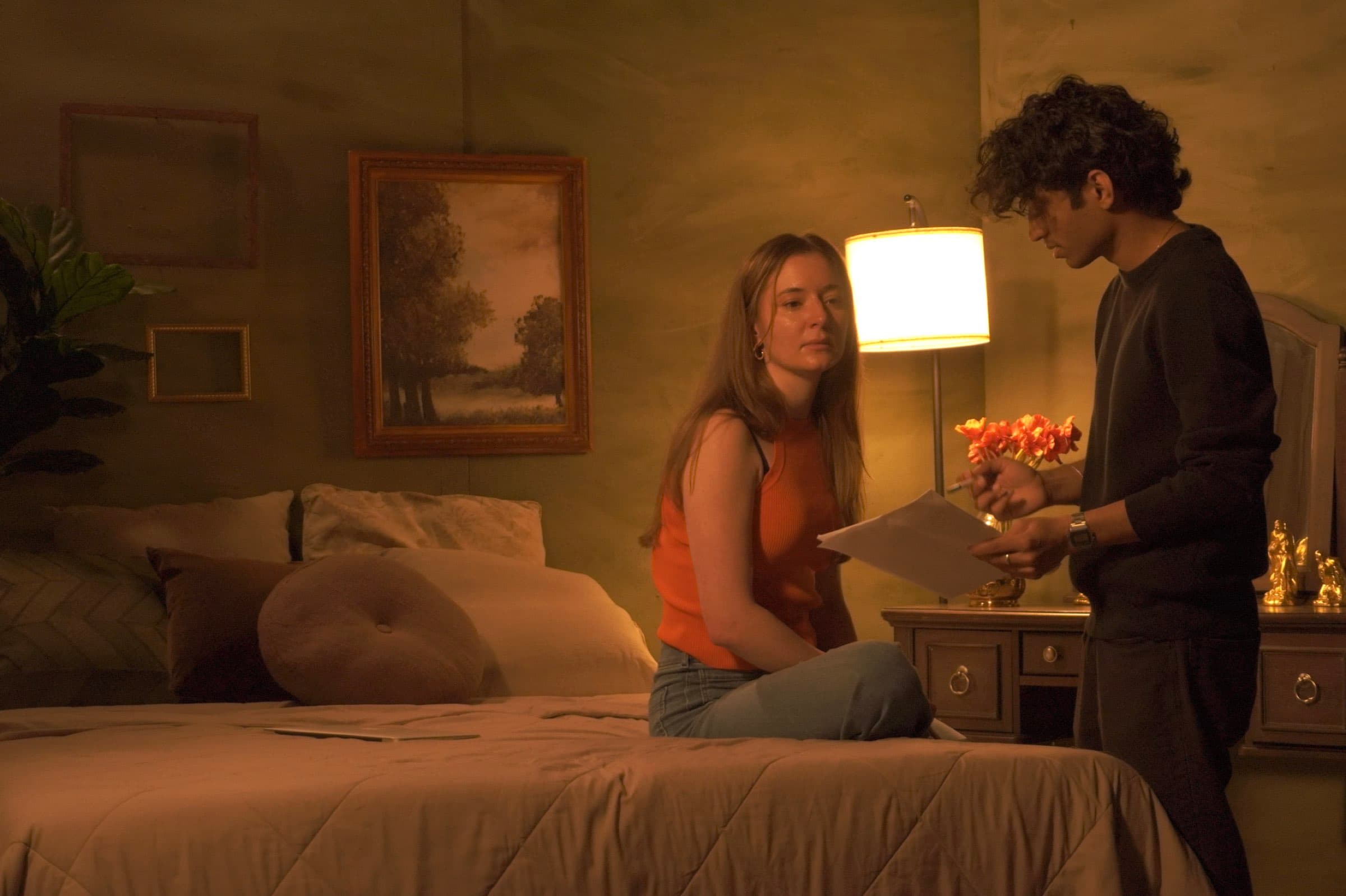
The Strategic Filmmaker: How Nivedkrishna Built a Career in Filmmaking
Common Questions About Building an Art Career
How do artists actually make money?
Artist income splits into two buckets: earned income (employment, freelance gigs, commissions and sales, licensing and royalties) and awarded money (grants, fellowships, residencies). Most sustainable careers combine several of these rather than relying on one. Read: How Do Artists Actually Get Paid?
Do you need an art degree to build a career as an artist?
No. A degree can help, but it isn't a requirement working artists share. Srishti Madaan, for example, is completely self-taught and built her career through murals, workshops, and offline networking instead of formal art school. Read: Art Without Institutional Validation: A Conversation With Srishti Madaan
What do grant judges and curators actually look for?
Institutions tend to look past the artwork itself to its long-term societal relevance, not just the finished object. Curator and grant-committee member Jessy Koeiman, for example, explains that juries want to know what the next chapter is and how the work functions in the world. Read: Career of an Art Curator: Jessy Koeiman on Building a Sustainable Creative Career
Can you sustain a creative career without gallery representation?
Yes. Building an audience through real-world word of mouth, workshops, or direct outreach can work just as well as a gallery relationship. Srishti Madaan, for instance, grew her audience through a workshop-driven domino effect and turned a single hostel barter into a full mural practice, with no gallery behind either. Read: Art Without Institutional Validation: A Conversation With Srishti Madaan
How do independent animators and filmmakers make a living?
There's no single path: some build a direct-support audience, others anchor around a stable day job. Jonni Peppers, for instance, built a Patreon-funded independent path after major-studio pitches went nowhere, while Christopher Sullivan instead used a teaching position as the income anchor that funded decades of personal films. Read: The Economics of an Independent Animation Career With Jonni Peppers
What's the difference between a grant, a fellowship, and a residency?
A grant is money awarded for a project or body of work with no expectation of anything back except sometimes a report. A fellowship combines funding with mentorship and a cohort. A residency provides space and time to work, often requiring relocation. Read: Art Grants, Fellowships, and Residencies, Explained