The instability of this career can be frustrating, but the greater frustration is not being able to express what's in your heart.
Summary: Aneisha, a 24-year-old NIFT graduate, paved her own career path as an "imagemaker," a role that allows her to weave together photography, printmaking, and design. In this conversation with the founder of Dezi, Nitya Mehrotra, she explains how she turned her lifelong curiosity into a very successful multidisciplinary artist career.
For many young artists, building a career after school remains a daunting prospect. The path for creatives is often filled with compromises, including working in unrelated corporate desk jobs. For Aneisha, rejecting the conventional corporate route was the only way to keep her inner artist thriving.
Her journey as a textile design student at NIFT and later she evolves into a multidisciplinary imagemaker. This offers a compelling blueprint for young artists trying to navigate the balance between creative fulfilment and financial stability. While she was always drawn to art, design initially felt like a more tangible, "money-making medium" to her as a young student navigating her early career. Upon graduation, she realized that college placements offered very little to artists; thus, carving her own career path seemed like the only way she could find room for actual creation. Photography was a part of Aneisha's life growing up. She carried her dad's camera everywhere without knowing it would one day become her career. Working in design made her realize, "Maybe design isn't everything I want to do." As her practice developed professionally, photography soon became the primary medium for her artistic expression.
How Do You Get Your First Paid Art Project?
Building a career without institutional help depends on how well you can connect with people in the industry and put forward your best work. Nitya inquired about what the biggest factor in finding career opportunities was for Aneish, to which she recalled her experience of cold emailing her portfolio to design houses and successfully landing her first few projects. The portfolio is the most important asset for an artist, but it's just the start.
That's the first thing people see about you when you reach out to someone. The work has to speak for itself; it has to be presented in a way people can connect to. So the presentation of the work is very important.
She emphasizes the importance of personal outreach, acknowledging that it is not always immediately successful and that being ignored is part of the process. Reaching out is strategic. An artist must be intentional about who they contact, because you could have a great body of work, but making your work visible to the right person is what ultimately lands you financially supportive projects. When it comes to securing opportunities, you must offer your best presentation and be consistent with simply showing up and having your work out there.
Something to note, especially for beginners in the field, is that Instagram can be a very passive platform. Aneisha initially thought that simply posting on Instagram would make her visible to potential clients. However, she quickly learned, "You still have to have a conversation, you have to talk to people. There's no other way to do good work apart from your own practice as an individual."
The Art of "Putting Yourself Out There"
"Putting yourself out there," an idea Nitya brought up during their conversation, revealed the key to effective outreach. Aneisha explains: a few times I've been told, "The email you wrote to us really spoke to us." A lot of people just write one email body and change the names before sending it out to multiple people. The circle is quite small, so people talk, and they'll know you sent the same email to a bunch of people, which isn't the best first impression. So it's important to have something written in the email that speaks to you and also to them, because there are so many creatives out there, why would someone want to work with you specifically when there are so many talented people?
What is a sustainable practice?
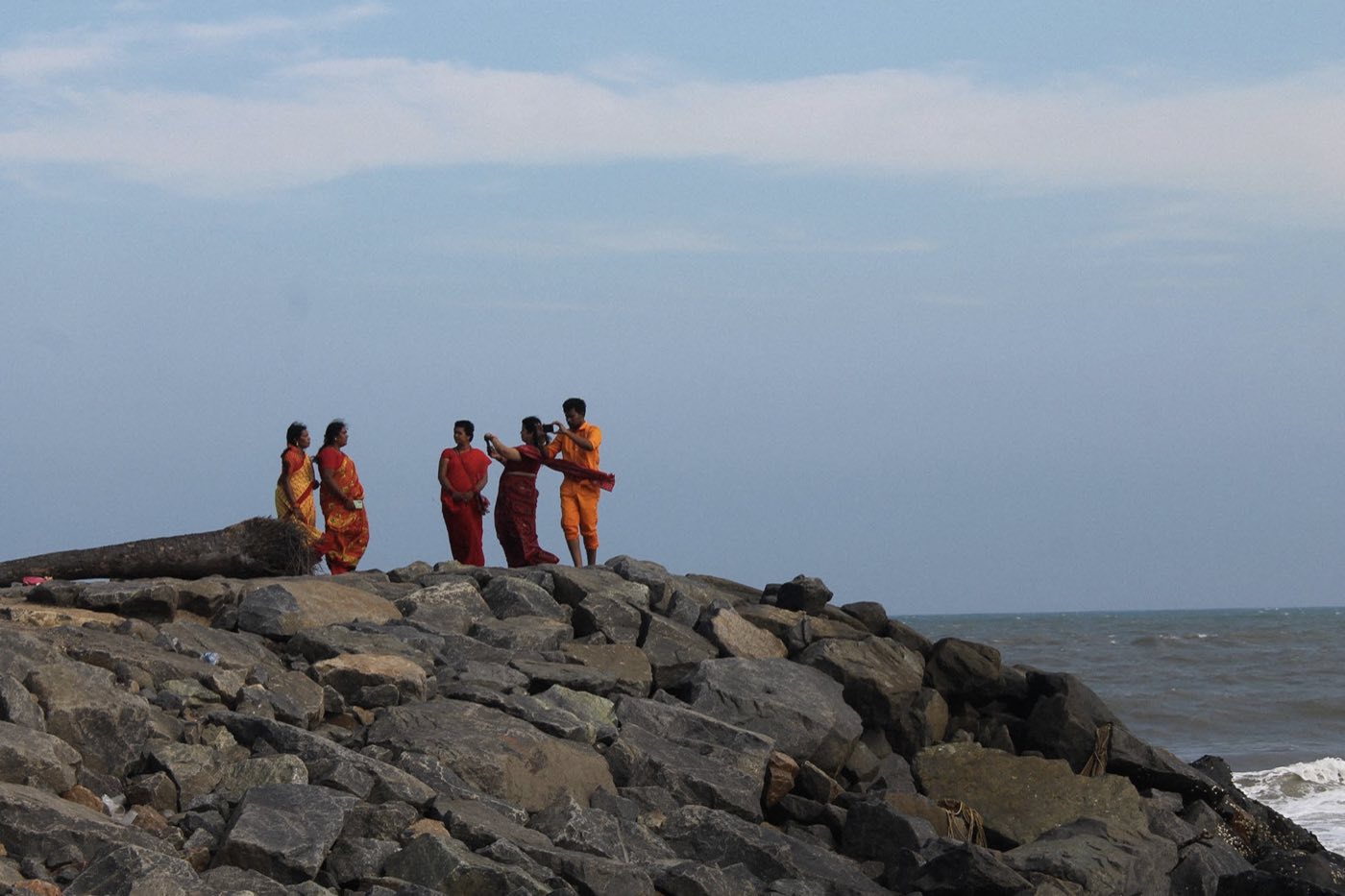
When asked for one important piece of advice for young creatives in the industry, Aneisha highlighted the importance of finding mentors to help navigate the creative landscape. She advocates for finding a balance between pursuing personal creative visions and maintaining financial stability. Making money on the side while building an artistic practice can keep your passion alive while preventing exhaustion. Her current profession relies on a mix of ongoing and seasonal multidisciplinary work, blending design and photography as integral parts of her life.
A creative's career is seldom linear. For Aneisha, her income rests on a carefully structured ecosystem of visual design and photography. To continue creating independently and protect herself from financial uncertainty, she maintains retainer clients as a visual designer, handling branding and communications for an architectural firm alongside an F&B brand. These retainer projects provide a financial baseline. She also completed a three-month apprenticeship under a ceramicist, where she learned studio operations, clay recycling, and glaze chemistry. During this time, she occasionally taught beginners and utilized the studio space to work on her own collection of pieces, even formulating a custom glaze. Currently, she is continuing this hands-on exploration as a studio apprentice and resident at Quiver Studio in Dharamsala.
She suggests early-career artists to look out for magazines to discover different artists and gain inspiration. This same strategy allowed her to pursue concept-based work for publications like Verve, the very magazine she used to read. The journey was, however, a gradual process that required her to start as an intern, pivot toward freelancing, and finally arrive at this systematic balance.
Picturing Memory Through The Lens
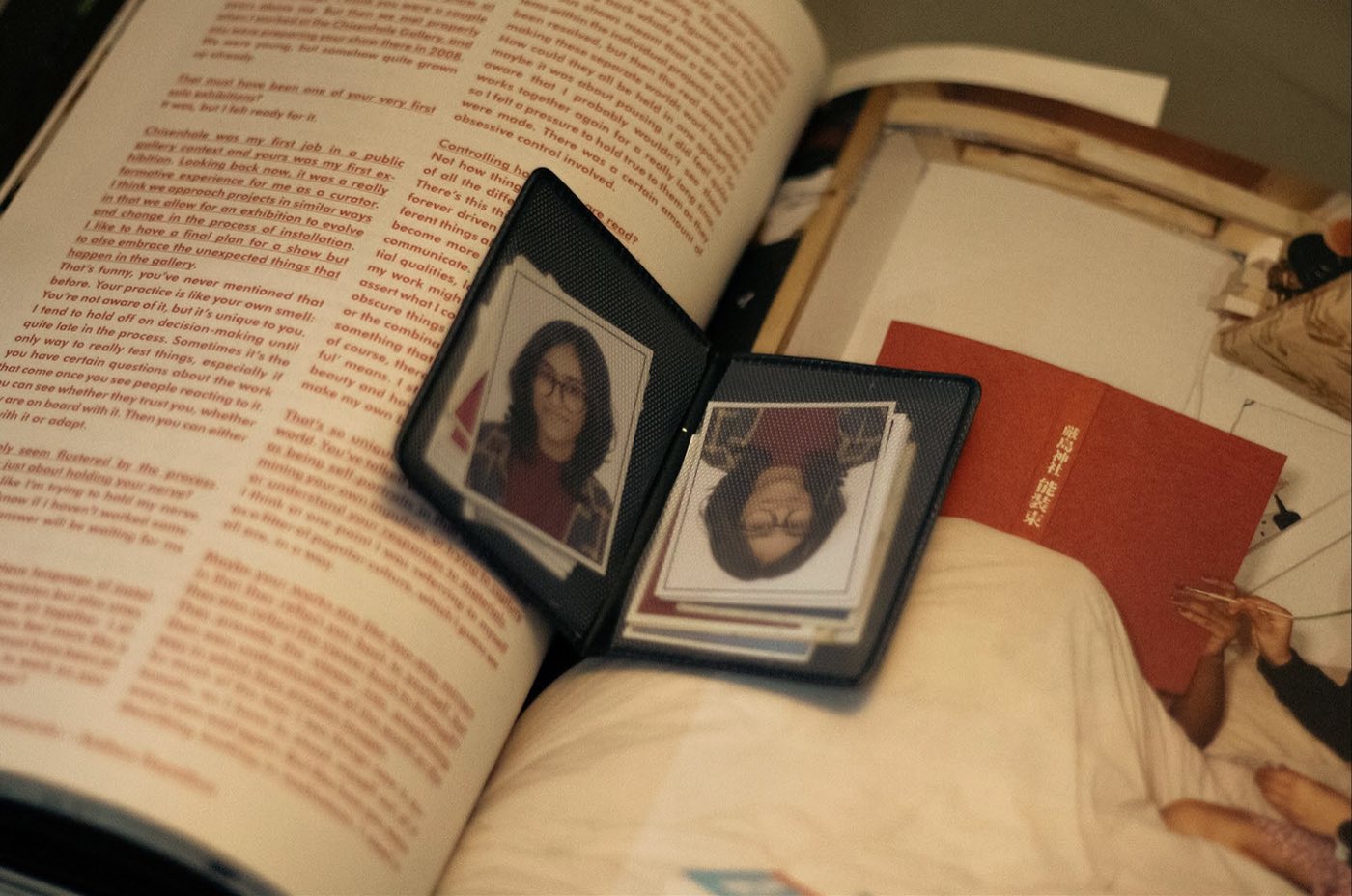
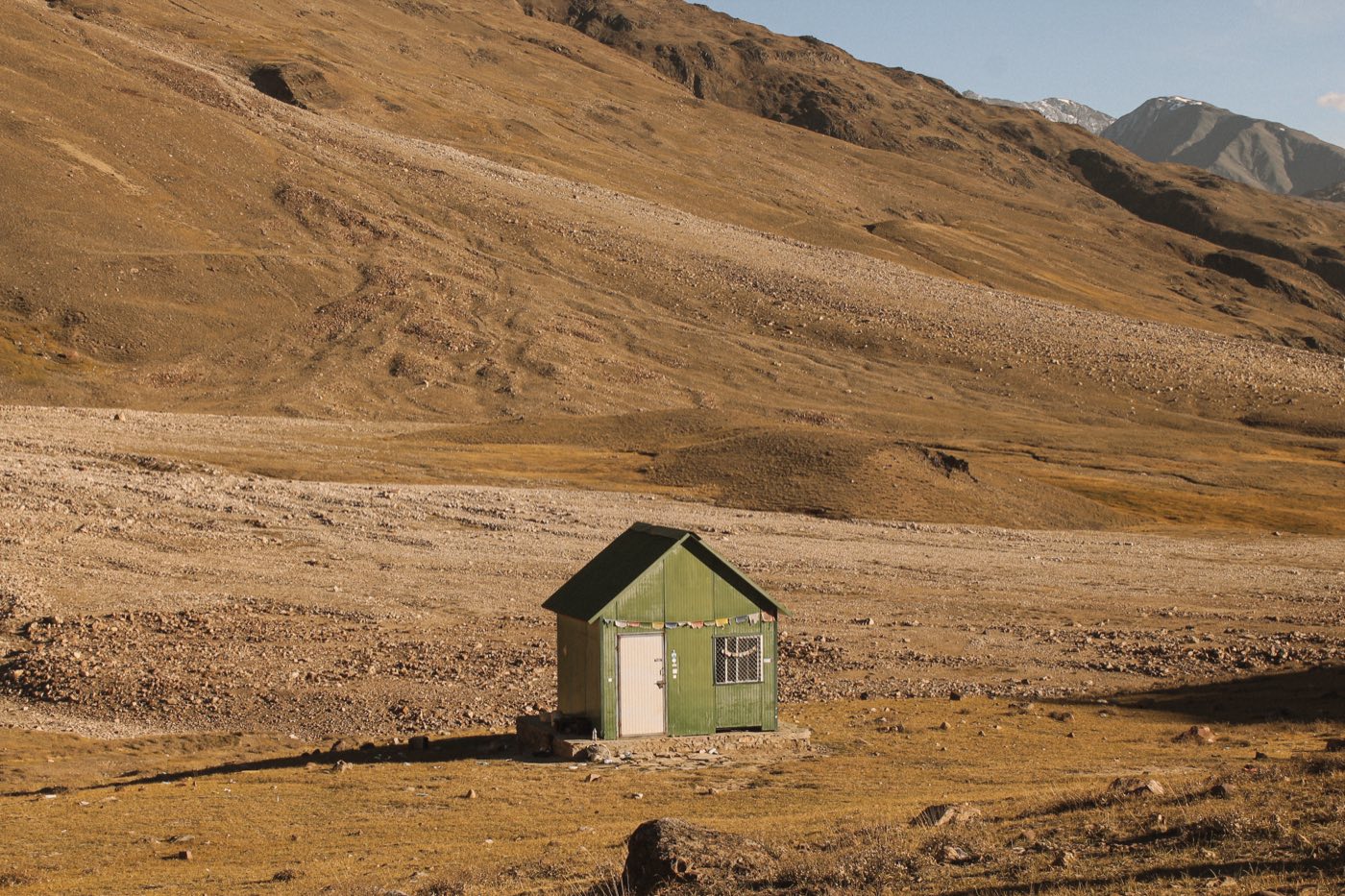
On a personal note, when Aneisha was asked about one of her favourite works, she recalled a photo, which also drove her passion for the craft. A picture of a small hut in a cold desert remains a piece of work that is closest to her heart because it reminds her of a photo from her dad's trip to Italy when she was just eleven years old. That original picture was etched into her memory. Seeing her father's picture and her own side-by-side, framed in her house, acts as a sentimental force that makes pursuing this career worthwhile. It allows her desires to remain in harmony with her heart.
Her primary focus in photography remains rooted in nature. "It's mostly nature and all these different elements. I really like documenting those things, and I don't want to do it for the money; it's just something that inspires me. Different terrains and the way all these elements interact inspire me, and I want to translate that into my pictures. It just comes very naturally that I want to take pictures wherever I'm going."
For Aneisha, the camera is a tool to capture the quiet intersections of memory and nature. It is this authentic connection to the world that keeps her art alive. Most importantly, she found a way to turn this joy into something that not only pays her rent, but helps her travel to places that allow her to capture that joy in the first place.