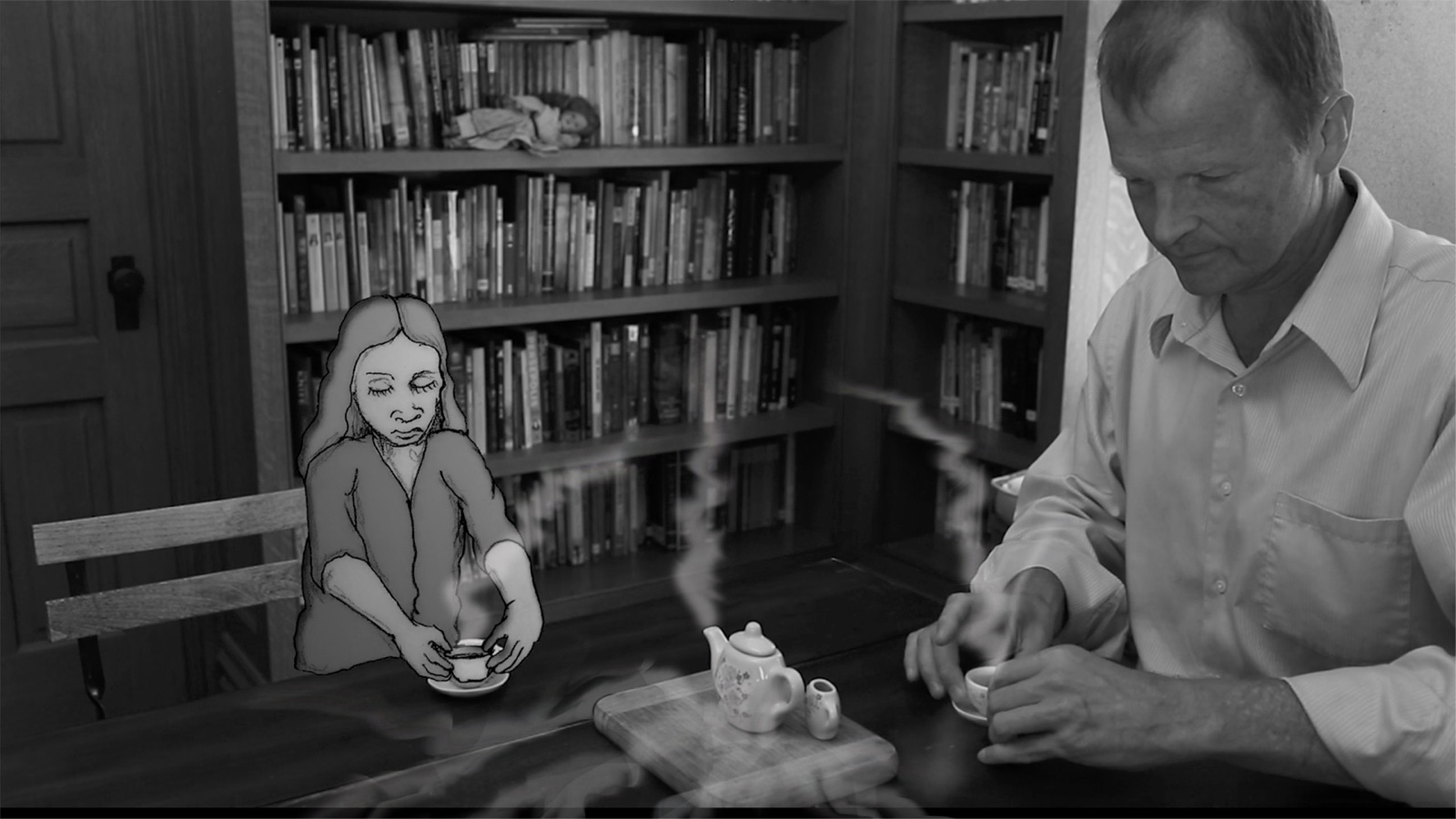
I think you can be a student, but you shouldn't be making a student film, you should be trying to make the best film you can make, period.
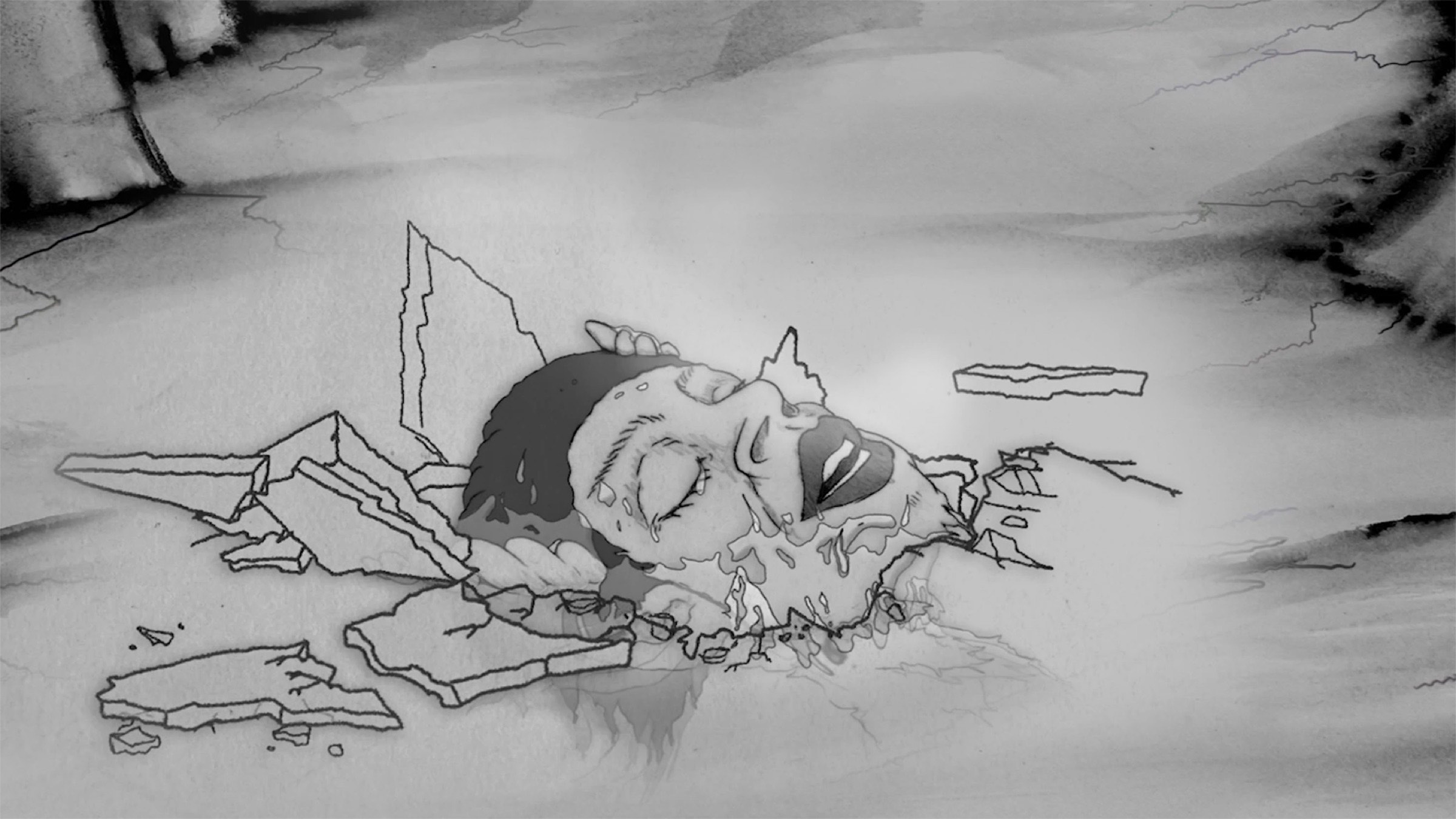
Summary: Christopher Sullivan has spent a lifetime crafting complex, detailed independent animated films while teaching filmmaking at the School of the Art Institute of Chicago (SAIC). From his first three-minute short at nineteen to feature films like Consuming Spirits, he built a creative practice separate from his teaching job. He has received fellowships from the Guggenheim, Rockefeller, and Creative Capital foundations, and his films have shown at MoMA, the Whitney Biennial, and the Tribeca Film Festival. In this conversation with Dezi founder Nitya Mehrotra, he breaks down the reality of independent practice and the intricacies of a long career.
Christopher's journey began at Carnegie Mellon University, where he was handed a Super 8 camera in an animation class and left to figure out the rest on his own. He created a three-minute short film using only white paper and a magic marker. That early project set the foundation for a career spent finding the profound in the everyday. His new feature, The Orbit of Minor Satellites, is currently doing festival rounds.
The Role of Validation in an Artistic Journey
For an artist, the question of validation is an important one: how much should external reception shape the creative process? Christopher is direct about it. He is not one of those people who can say they only care about the process. He admits he is not fully detached from how the public receives his work. For him, validation serves as a way to believe in his projects, acting as fuel for the next one.
I think what validation does is give you the bravery to say, okay, these weird things I put together aren't crazy.
Receiving positive feedback, especially for highly unconventional animation, provides the encouragement to keep pushing artistic boundaries.
"Objective Good" and Career Advice for Students
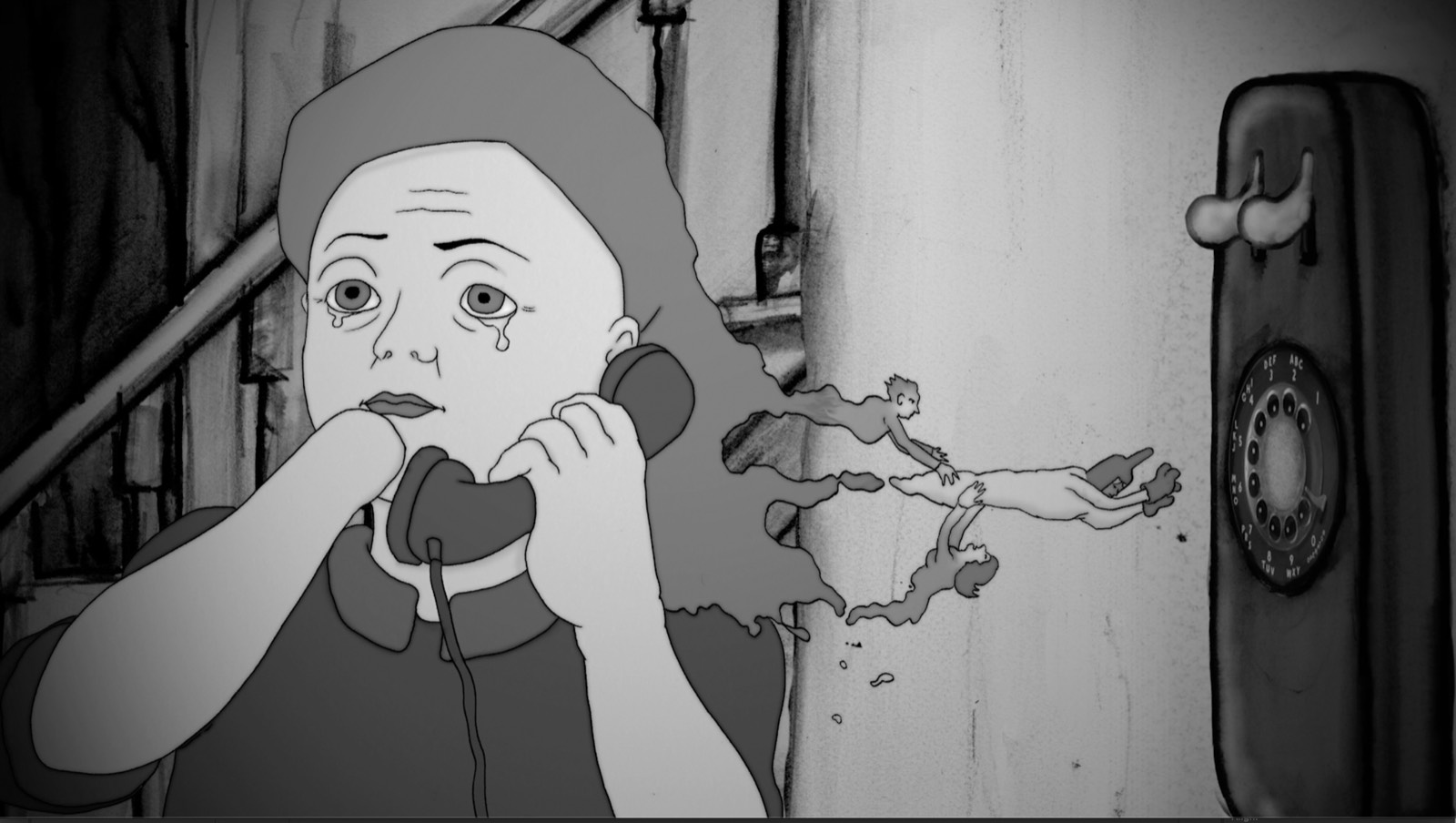
Advising students on how to navigate their careers, Christopher challenges the idea that doing your best is enough. He insists that students who succeed possess skills that make people look at their work and immediately recognize their capability. When a stranger tells you they really loved what they saw, you're more likely to believe them than to believe your own doubts.
He relates the idea to animation directly: "Animation is like a sport. Even people who make something very loose and painterly still have really good follow-through or genuinely beautiful compositions. The first thing that comes to mind isn't, 'Oh, this is a beginner,' it's, 'Oh, this is a really interesting piece.'"
He also expresses doubt about whether an artist can successfully network without a physical object to serve as a calling card. Using the example of a successful former student who developed her own unique style, he emphasizes that someone with amazing skills can apply them to any situation.
Based on his experience as a filmmaker and professor, Christopher offers a few pieces of advice for building an artistic career:
- Treat your heroes as allies. Students often admire a director but make films that look nothing like their heroes' work. He suggests viewing creators as allies rather than untouchable figures living in an entirely different world.
- Build on your strengths. Students are often told to leave their "safe zone" and abandon their usual tools for what "might work better." He argues against this, advising that artistic development should work like a scientific process: change only one variable at a time to see how it works.
- Stop making "student" films. You can be a student, but you shouldn't be making a student film. You should be trying to make the best film you can make.
- Create artistic space. This applies to teachers too. If a film leans heavily on language, it's worth finding where the student can create visual space while letting the language remain the anchor, instead of changing the project completely or cutting it to silence.
- Protect your emotional space. Christopher emphasizes that you should remain happy while making your work. He warns against sacrificing personal relationships and disappearing for too long for the sake of art: "Your work will never pay you back for lost emotional space."
Financial Security and Flexibility
Every creative person faces instability and the prospect of financial insecurity. Artists and filmmakers often deal with this by pursuing a non-linear career path instead of chasing one single job. Christopher prefers not to identify himself as a teacher, even though he is one. He points to the necessity of finding a structural anchor that protects your creative freedom.
He acknowledges that his career began in an era of affordable tuition in the early eighties and arts grants in Minneapolis, but stability, for him, came from a completely unexpected opportunity. In 1988, at age twenty-eight, he was asked to fill in for a sick professor at SAIC. That temporary role evolved into a full-time teaching position and permanent financial support.
I never really had to negotiate whether I'd enter the commercial world or not; it's a very different context than what people face graduating today.
He's clear that it's not a common pathway. Unlike commercial animation, which often drains a creator completely, his teaching schedule gave him the mental bandwidth and steady income needed to fund his personal films. More importantly, he refused to let the comfort of academia stall his artistic growth. Driven by the philosophy to "know thyself," he continuously updated his technical toolkit, realizing it was necessary to sustain a lifelong career and to help students turn conceptual ideas into working projects.
"It helps to not just be able to talk someone through an idea but to actually technically help them when they hit a bind or a problem, so there isn't a separation between idea and making."
Animating the Awkwardness of Life
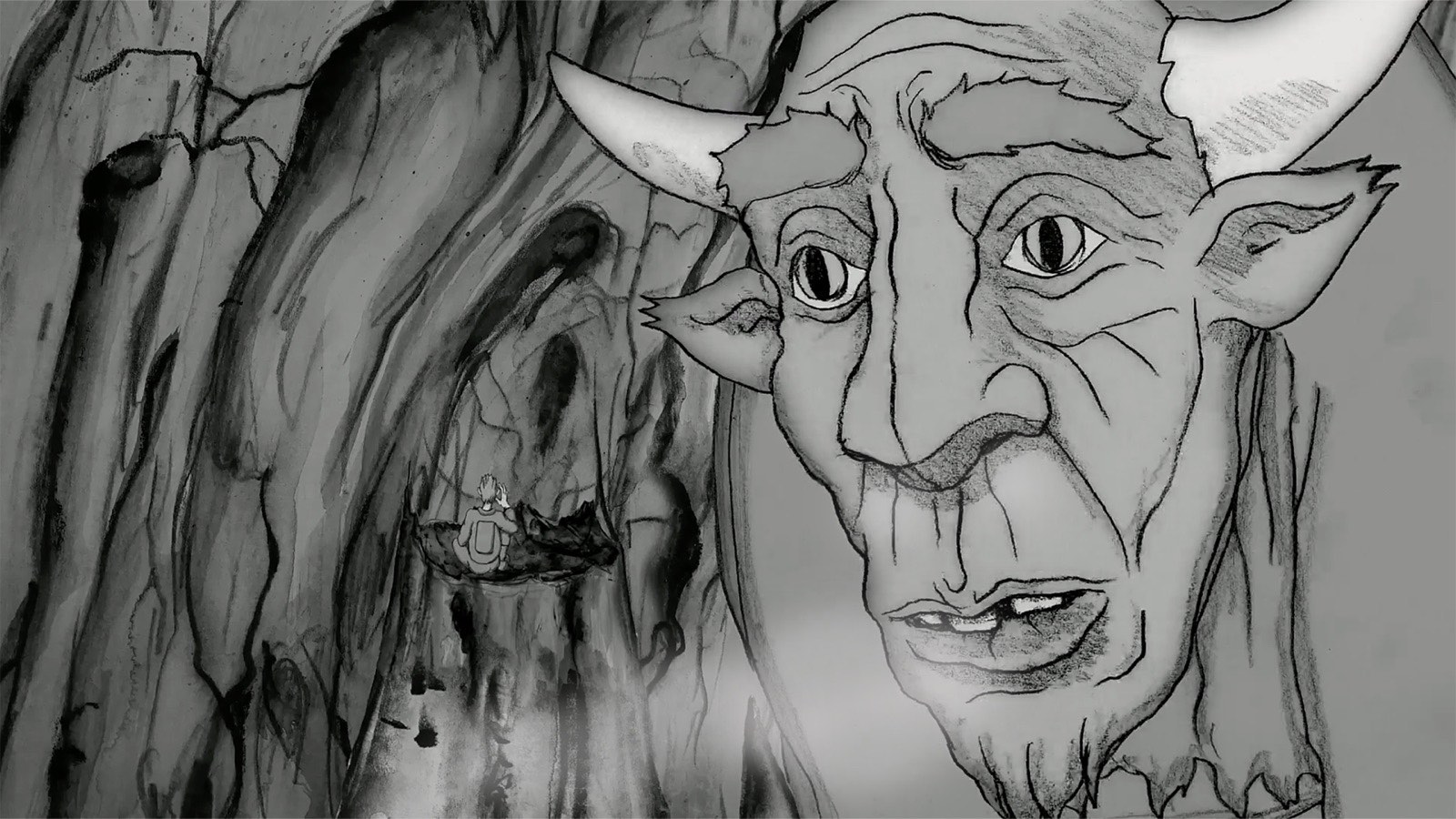
For Christopher, animation is a tool to capture the quotidian, ritualistic behaviors and accidental associations that reveal profound truths about human nature. He draws deep inspiration from the "illegitimate authorities" of life, figures like a childhood doctor or a random next-door neighbor, who unexpectedly stumble into your world and end up making major decisions for you.
By anchoring his narratives in these unpredictable interactions, he drives his films with the idea that you're not sure how the day will go. It's a philosophy that has sustained his work for decades. His favorite films range from British classics like Brief Encounter to the modern complexities of director Emmanuel Gomes, and his admiration for No. 7 Cherry Lane reflects his sustained interest in diverse, unconventional storytelling.