As a curator, the more genuine your work, the more valuable it is.

Introduction: Jessy Koeiman (jessykoeiman.com) is an artist and curator whose work has been visible in cultural institutions like Kunstinstituut Melly, Melkweg Expo, Brutus, A Tale of a Tub, Kunstenpunt, S.M.A.K., and Modern Art Oxford. In this conversation with Dezi founder Nitya Mehrotra, she shares her experiences and insights on building a sustainable creative career in visual art.
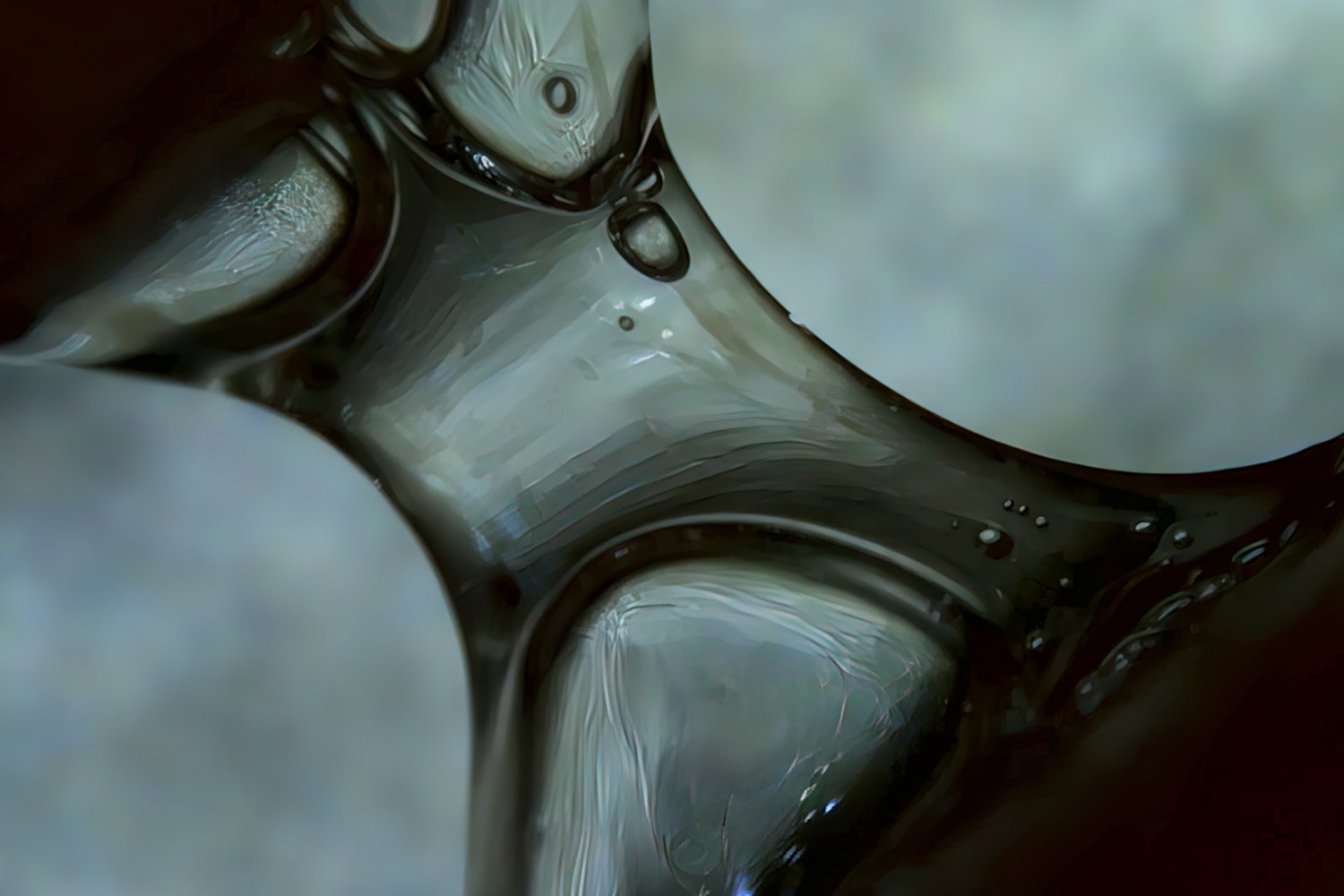
Jessy Koeiman is based in Rotterdam, exploring the relationship between human consciousness, nature, and social taboos. After first studying and working as a nurse, she shifted into graphic design and fine art, driven by her passion. Describing her art themes, she mentions, "I have a specific interest in nature, plants, the colour green, and forests. Our relationship with nature and how we should look at things as if we're part of nature." Her favorite artwork is from 2021, a photograph taken with a microscope camera titled Fluid Family. This work emphasises the importance of acknowledging human similarities.
Finding the Right Career Path
Discussing her career shift with Nitya, Jessy explains that she initially pursued nursing before committing to graphic design and higher art education in Rotterdam. Aware of the financial insecurity many graduates face, she chose not to step into the role of a struggling artist without a stable income source. Six months after graduation, she took a role as a curator at an art institution to secure steady earnings and clear the headspace needed to make things. While the demanding position was all-consuming and left little room for studio time, it provided foundational industry experience where she learned what a good portfolio is while judging them as a curator. She gives her honest advice to artists:
If you really want to make art, even knowing you'll be poor for a few years, keep doing what you like, because in the end it's more valuable for you as a person, your character, and your portfolio. You can always find money elsewhere... but keep doing what you like, because the more genuine your work, the more valuable it is.
What Do Grant Juries Actually Look For in an Application?
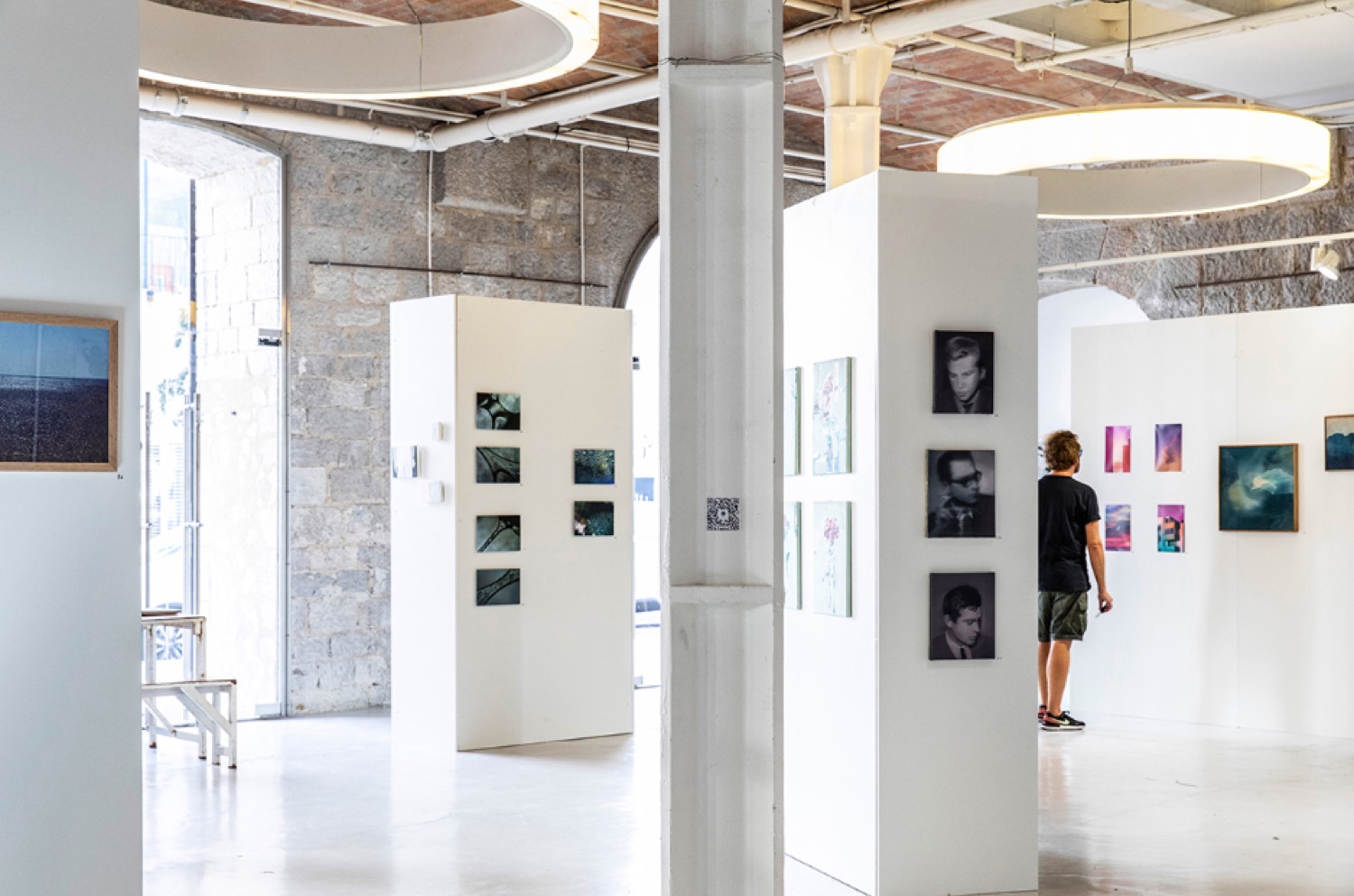
Jessy began working as a cultural advisor, sitting on committees that evaluate grant applications. Reviewing submissions taught her how funding bodies think and what juries look for when deciding who receives support. When Nitya asks about her opinion on the common mistakes artists make when applying for open calls and major grants, Jessy explains that many creatives stay trapped in tunnel vision. Artists often focus on the physical production of an artwork, while institutions consider the project's long-term societal relevance.
An institution wants to know: what's the impact on a macro scale? What's the next chapter? Has the artist thought about how the work can be implemented in society? Artists often have good plans, make the work, and collaborate with people or organizations, but it's always working toward one thing, when an institution sees that 'one thing' as a stepping stone, not the end result.
Resisting the Pressure of Social Media

Addressing the challenges of an art career, Jessy warns against the fast-paced demands of social media. She admits that she herself once felt the pressure to produce artwork that can go on Instagram. She recognizes the kind of rat race it becomes to produce art for social media and advises artists to defend their personal timeline and embrace slow, deliberate work without fearing that they are falling behind.
Stay true to yourself and your authentic self. I've seen a lot of artists start making things for someone else so that person likes it and they get funding or an exhibition. Stay true to yourself and defend your own work. Be open to adjustment, but don't fold in a way that loses your authenticity.
Talking about the thing that helped her most in her art career, she mentions the importance of mentorship, recalling how her former director, Sofia (Hernandez Chong Cuy), repeatedly challenged her to rewrite texts, defend her ideas, and read critical literature. Having a mentor who hands you the tools to learn and improve, and who believes in you, especially as an artist, is invaluable.
Is a Career in Visual Art Actually Sustainable?
When Nitya asks if an art career is genuinely sustainable, Jessy explains that the answer depends entirely on what an artist wants to do with their project. On a commercial level, building a career requires intense networking and understanding how art can function as a tool to generate income. However, she has noticed a movement towards slow living, away from the city and towards self-sufficiency, which aligns with the spiritual side of making art just from being, without having to prove anything.
If your goal is really to express yourself, you can make art and see if it sells or not, and that's fine either way. If your goal is to become a big-name artist that everyone sees, then yes, you have to do the networking and make your art sellable.
Building an Artist's Collective
Looking at the future of the art industry, Jessy notes that long-term sustainability is closely tied to community and slow living. She believes that the future is moving towards an artist collective. Rather than isolating oneself or treating fellow creatives as competition, she advocates for co-creation and community collaboration. When a group applies for funding and projects, it can share financial resources fairly and create a broader cultural impact. She further adds, "Collaboration shouldn't be seen as competition."
Jessy Koeiman shows that building an art career does not require following a linear career path. By learning the correct approach to apply for funding and grants, protecting her authentic voice, and choosing community over competition, she balances artistic vision with the reality of a creative career. Her journey proves that taking the time to chase passion and staying true to the art paves the way for a long and sustainable growth.