"What if I just did both?"
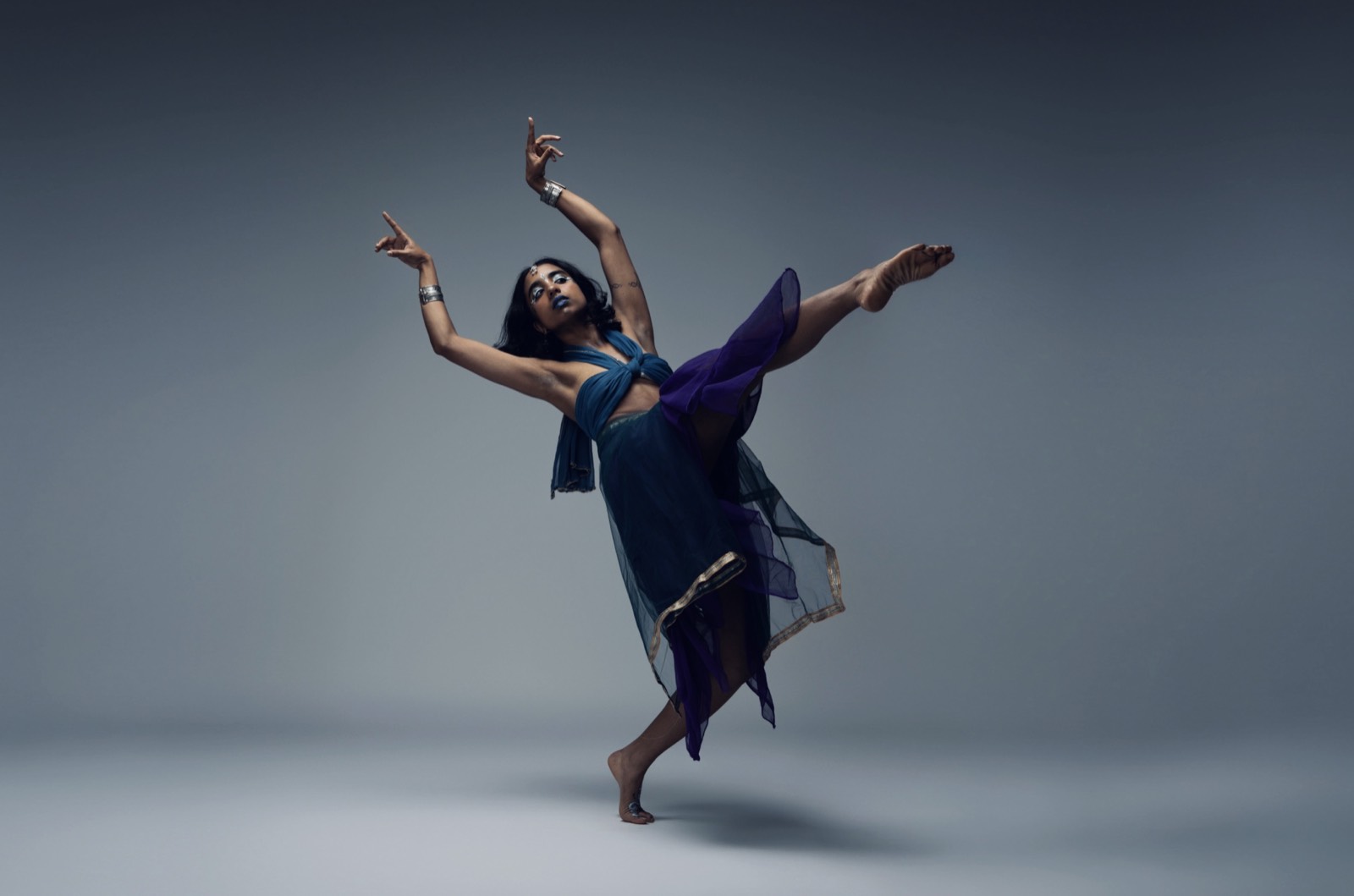
Summary: Swetha is a Chicago-based artist balancing her career as a professional dancer and a clinical researcher. She studies how movement and nutrition affect disease progression in patients with metastatic breast cancer at Loyola University Chicago, and she is an integral part of the Chicagoland dance scene, choreographing, teaching, and managing branding for major dance organizations. In this conversation with Dezi founder Nitya Mehrotra, she shares direct anecdotes and advice about managing multiple roles in the arts.
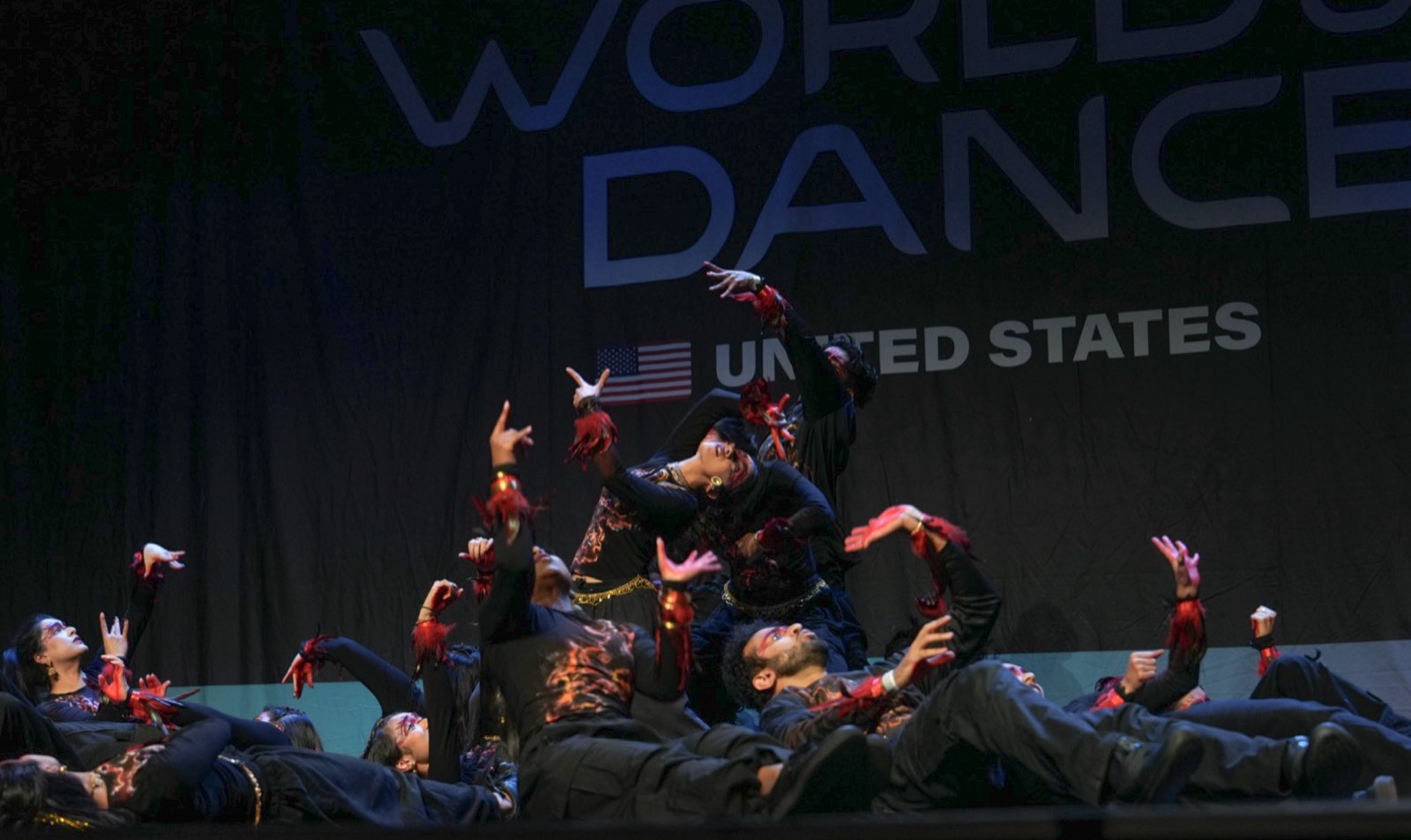
Swetha balances her career, working as a clinical researcher and a professional dancer trained in Bharatanatyam. Alongside her medical research, she choreographs, teaches, and manages branding for major dance organizations like Kalaparva and Movement of Diaspora. She blends classical Indian mudras from her Bharatanatyam training with Western hip-hop phrases, creating a fusion that feels true to her identity.
Finding a Path in Professional Dancing
Growing up in a suburb north of Chicago, Illinois, Swetha was one of only a few South Asian students in her school. Her journey into classical Indian dance began as a stubborn challenge. When her parents joked that she could not read her native language at the grocery store, she responded in a fit of spite, demanding they send her to classes to prove them wrong. Her mother enrolled her in Bharatanatyam. She admits that initially it was something her mother liked, but the dance form grew on her, and she started liking it.
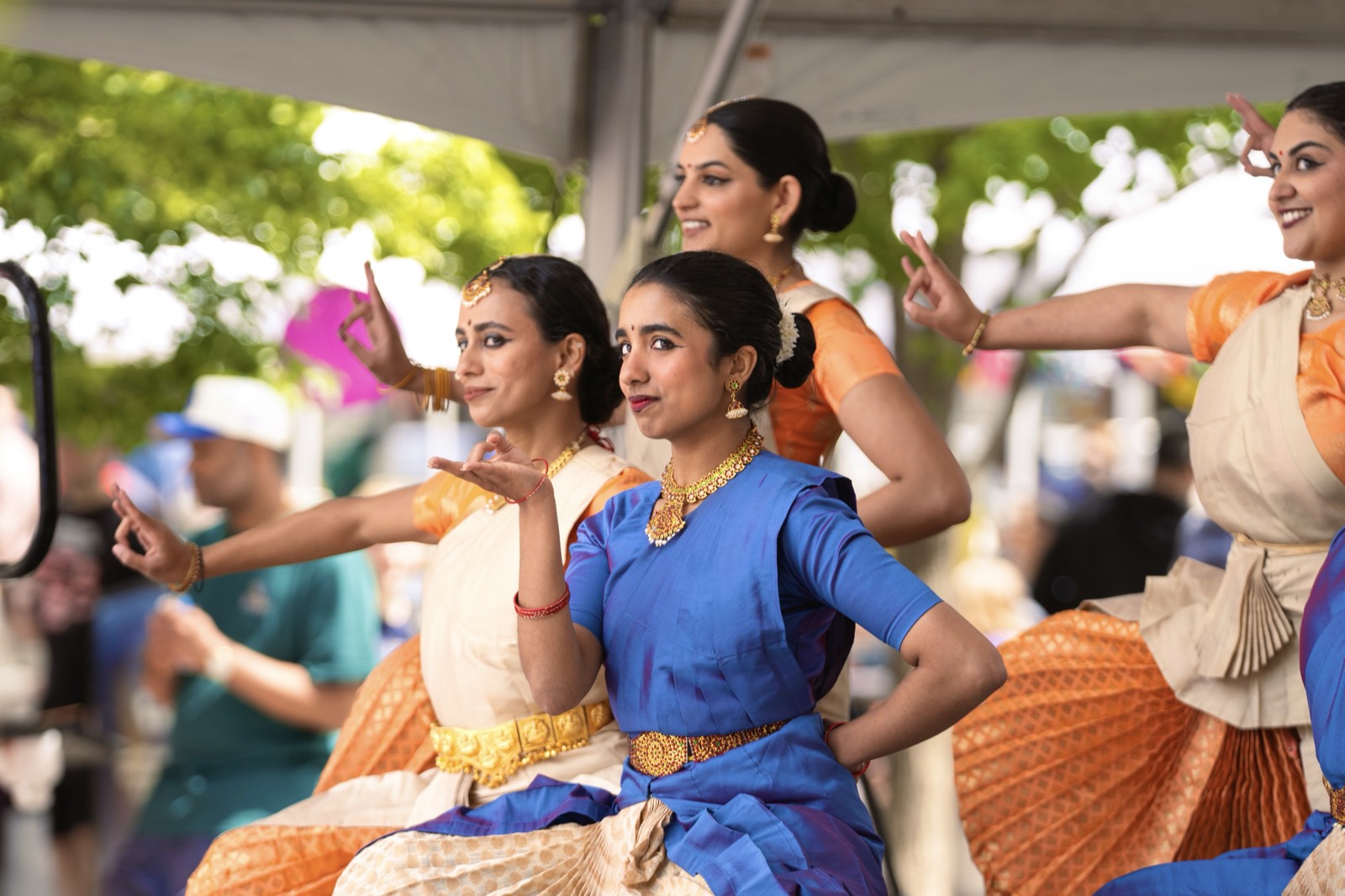
By middle school, she began watching Western hip-hop choreography online, particularly from 1 Million Dance Studio. The Western dance style also intrigued her, and thus, while watching her baby brother in their basement, she would try to mimic the hip-hop moves. But her classical training took over at times since she was already well trained in Bharatanatyam. She tells Nitya:
Every time I tried to just throw an arm up the way they did, it would default into a mudra, it was just second nature. At some point I thought, instead of trying to beat that out of myself, what if I just did both?
Managing Multiple Career Paths
Nitya asks how she practically balances her passion with the need for stability. Swetha explains that growing up, she watched her mother repeatedly choose the stability of an IT career over being an artist, and she assumed she would have to make the same painful choice. Instead, she refused to pick just one. She actively works to balance her love for dance with her clinical research, allowing her to keep up with her passion for dance. She further adds how she maintains this balance:
This past week I was on tour with an artist as a backup dancer. I flew in on Sunday, went back to my regular job Monday, and I'll be flying out again for their upcoming shows on Friday. Sometimes that's what the balance looks like, and it doesn't make me any less of a dancer or any less of a clinical researcher.
Developing Professional Skills
Nitya points out that an artist rarely does just one thing, a point that Swetha agrees with. She explains that within the dance world, performers are expected to be costume designers, makeup artists, and video editors. She acquired her current branding roles through the skills she picked up out of pure necessity. She learned video editing and camera work by stealing her father's camera in high school to film her dance routines.
When it comes to landing opportunities, Swetha credits her network and friends. She emphasizes that early in a career, opportunities like teaching openings or branding gigs come organically from the friends you make in the studio. Her biggest inspirations remain her friends in the Chicagoland dance community and teams who inspire her by maintaining a playful creativity in their sets.
Practical Advice for Young Artists
When Nitya asks what advice she would give to a young creative just starting out, Swetha offers an unconventional perspective on career pressure. While she sometimes wonders what her path would look like if she had been strictly intentional from the beginning, she knows that treating dance like a rigid checklist would have destroyed her passion. Not treating her art like a calculated success project from day one is exactly what allowed it to naturally grow and thrive. She tells Nitya:
I think I would have burned out badly if I'd put pressure on myself to hit specific steps to "become a dancer." The way I built this, mostly by being so deep into it before I even realized I was building a career, feels like the most organic way to grow into something.
Swetha strongly advises young artists to stick to the cliche of doing what makes them genuinely curious and happy. Burnout is a very real threat for anyone balancing multiple roles. She notes that having the privilege of multiple income streams provides the autonomy to step back and do a little less art when life gets overwhelming. By letting her curiosity guide her rather than a strict plan, Swetha proves that a sustainable artistic path is built by organically weaving stability and passion into one life.
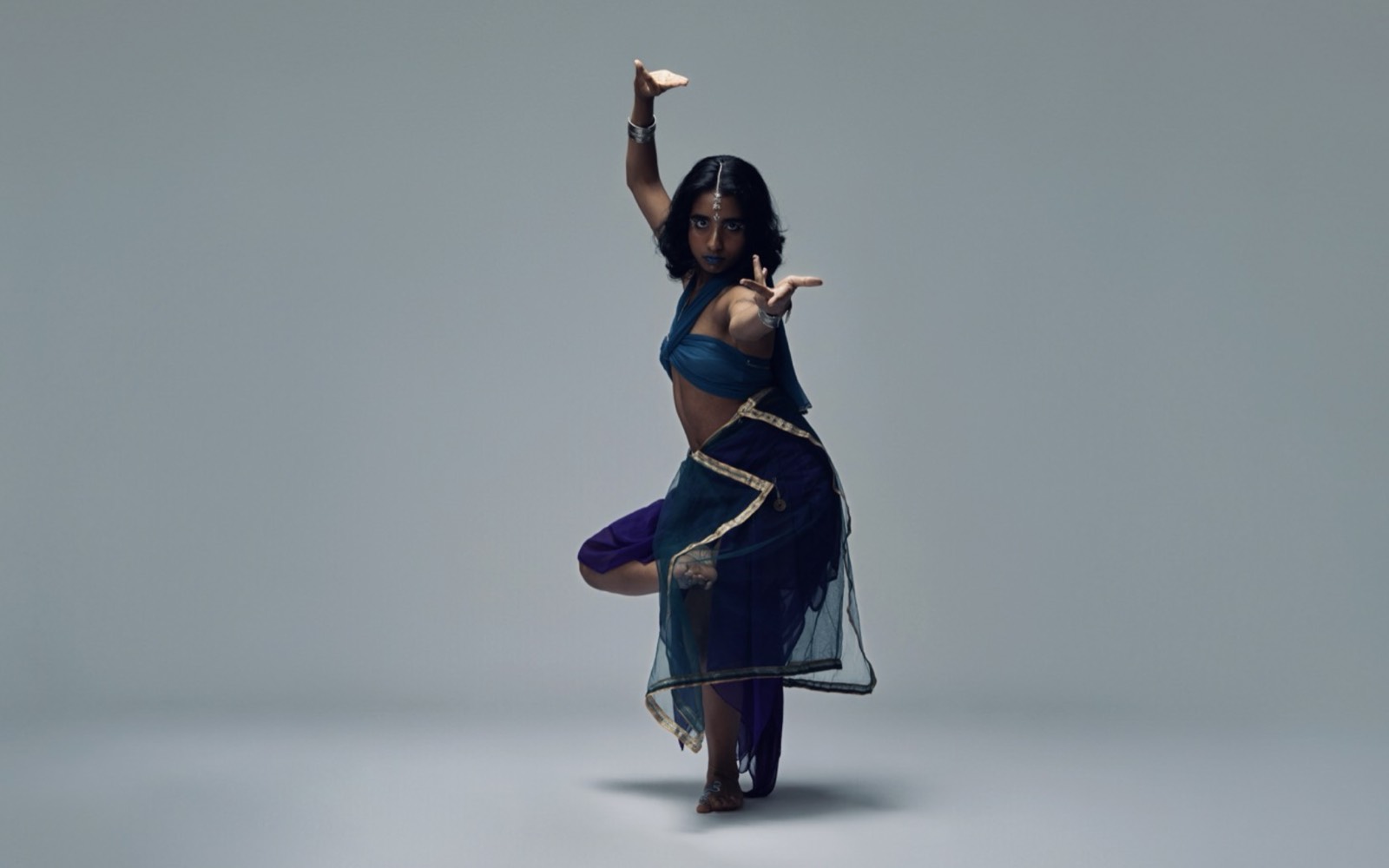
Note from Nitya: If you made it this far, follow her on Instagram. She's a pioneer of the Chicago fusion scene, making work that inspires any artist, dancer or not, as a reminder that you never have to give up one thing for another. That's art.