"Art is in everything; everything is art."

Elgin Bokari T. Smith (also known as L O Kari) is a multidisciplinary artist, educator, and social activist. Hailing from St. Louis, Missouri, Elgin currently serves as the founder and artistic and executive director of the Stomping Grounds Literary Arts Initiative (a nonprofit providing creative education to incarcerated youth). From interning with renowned artist Theaster Gates to producing the zine Youth Stories, illustrating Your Guide to the Juvenile Justice System, and co-creating Pocket Con, an annual comic book convention celebrating characters and creators of color, Elgin has built a sustainable career rooted in adaptability, service, and a passion for art. In conversation with the founder of Dezi, Nitya Mehrotra, Elgin discusses his journey and career while advising young students who want to pursue creative endeavours.
The Foundation of a Creative Journey
Influenced by his mother, a filmmaker, Elgin began his creative journey very early in life. He created his first comic book in middle school, introducing his original character, Electro Kid, and shortly after, authored a written book about three ninjas with the help of his mother's friend. His mother heavily supported his aspirations, encouraging him to attend young entrepreneurship conferences to learn how to turn his creativity into a sustainable career path. Mentorship played a foundational role for him, particularly from his high school visual arts teacher, William Perry, who took the class to art museums, taught them various drawing styles, and helped Elgin build the portfolio that got him into the School of the Art Institute of Chicago (SAIC).
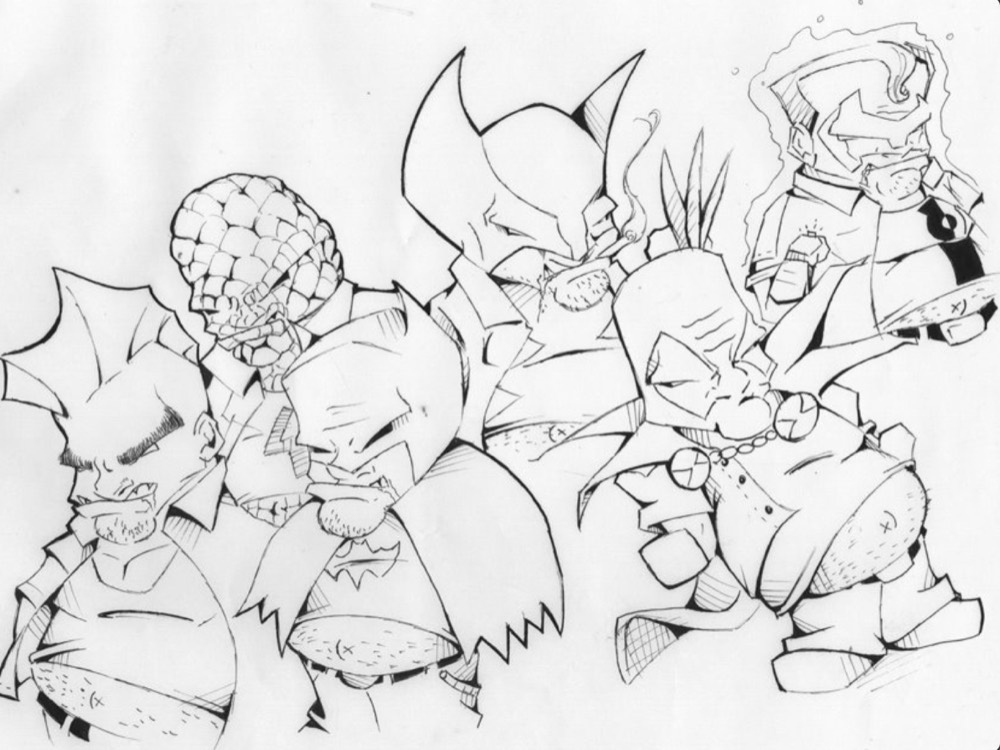

The multidisciplinary nature of an artist's life is very clear in Elgin's career progression. As his career moved forward, he also naturally got connected with the hip-hop community and did some local freestyle dancing, leading him to become a DJ and host his own musical events. He later joined the activist collective Elephant Rebellion as a producer, utilizing his piano skills, and later transitioned into rapping for the group and teaching music production to youth. Carefully listening to his inspiring background, Nitya observes that his journey is built on the art of community building that he mastered.
The Practicalities of a Creative Career
Elgin does not believe in the term "starving artist," though he firmly believes every artist has to be hungry. Based on his experience working since he was fourteen, he offers aspiring artists a key lesson about how customer service is important and how it is your job to keep moving forward on the path that people are actually paying you for. He recalls how being kind always earned him more tips at McDonald's, and how every subsequent job elevated him further. Before college, he was making $50 an hour doing construction work, and although he did not want to stay in that field, the high wages made him determined to find a way to earn that kind of money doing what he actually loved.
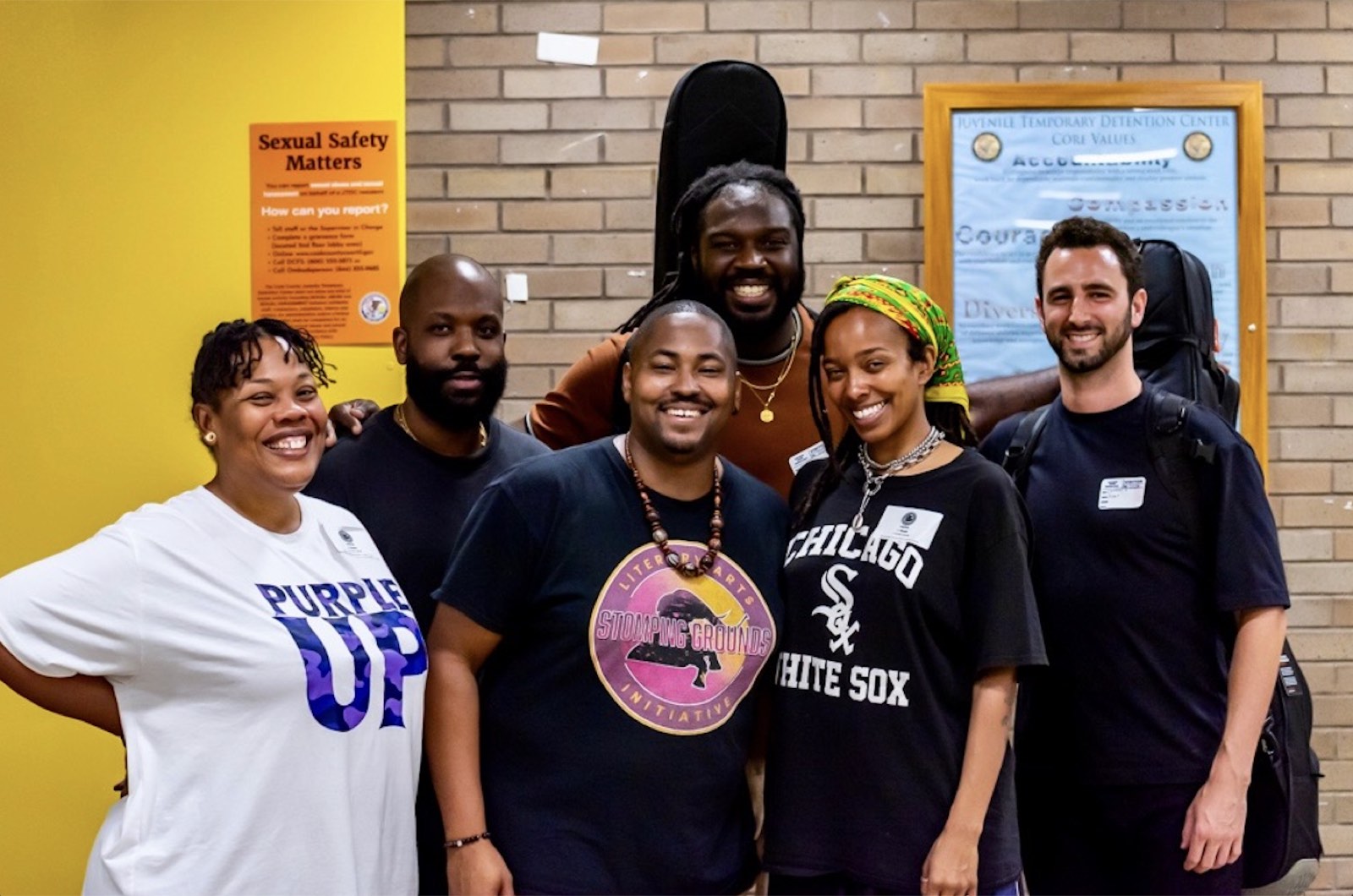
Elgin advises that you have to learn how to pivot, stressing that relying on a single stream of income leaves you highly vulnerable. When he first graduated, he juggled a $20-an-hour job at the Gary Coleman Youth Centre with a $25-an-hour position at a juvenile facility. This left him room to keep working on his artistic path, including comics and illustrations. He could do this because he had the income stream to support himself.
He observes that art as a career is not stable right away, but it can become so if you establish a financial path that keeps you from getting stuck in one place. Finding a job is important as long as it is in a creative field, as Elgin learned during his time at SAIC when he realized art and creativity must stay part of everything you do. He further emphasizes the fact that if the thing you are pursuing is not giving you income, you might need to change your approach.
What Helps the Most in Building a Sustainable Career?
Elgin asks all creatives to completely separate the creative side of their art from the commissioned side. He believes that to sustain the work, you have to learn how to be a commission-based artist who understands the art of customer service. By getting this balance in your life, you can pay yourself consistently, and it will not matter how much money your deeply personal projects make. The ultimate advice from this discussion is to find an alternative route that pays enough to sustain your lifestyle, so your personal creative work never has to suffer. While it is always best when career and passion merge beautifully, at times they do not, which is why Elgin adds that being able to explain to people what they are actually investing in makes it much easier for them to confidently pay for your work.
Does Your Work Have to Be Perfect Before You Show It?
Elgin argues that a creator's idea of a "perfect line" is entirely subjective and that getting caught up in what something is "supposed" to look like only hinders the natural creative process. Instead of striving for perfect and ideal art, he urges artists to focus on mastering their tools and accepting that not all art can be flawless. He reminds his students, "Everything started as a sketch; nothing is perfect, and everything develops over time." Emphasising the idea that art is in everything and that everything is art, he develops a philosophy that encourages an artistic perspective. However, young artists must start with the sketch and improve their tools to find their audience.
The Life-Changing Quality of Artistic Pursuits

While talking to Nitya about his students and work at the juvenile facilities, Elgin shares beautiful stories of transformation. He recalls a super quiet student who, after being encouraged to record a song, went on to score a 9.5 out of 10 for her poetry at a major event. She eventually made it all the way to the semifinals of the "Louder Than a Bomb" competition with her piece "Freedom" while being incarcerated, and is now in college pursuing a degree. With the right push and guidance, even the most vulnerable kids can build life-changing confidence and a renewed sense of identity. In his classroom at the juvenile centre, he anchors the environment with the core sentiment of: "Just try," "Make mistakes," and "Consent is key." While making mistakes might feel daunting to incarcerated youth, he reframes these mistakes as a crucial part of human development, reminding them that they cannot grow into the next version of themselves without trying.
Nitya observes that Elgin approaches his work with an infectious passion and honest purpose. At the same time, he remains incredibly practical about what it takes to survive in the industry, therefore, he completely rejects the "starving artist" narrative. He understands that to build a tangible impact on society, you need to first build a sustainable career for yourself. With such ambitions, he runs Stomping Grounds Literary Arts Initiative, which is driven by the powerful motive of "Literacy as Liberation. Art as Resistance." Through these efforts, he proves that art is not neutral and that it has the strength to build an empathetic future. Elgin sets an example by being a passionate artist himself and changing the lives of students at the same time.