I approach it logically: I need money, and making an animated show is a path to that. It's all connected and practical.
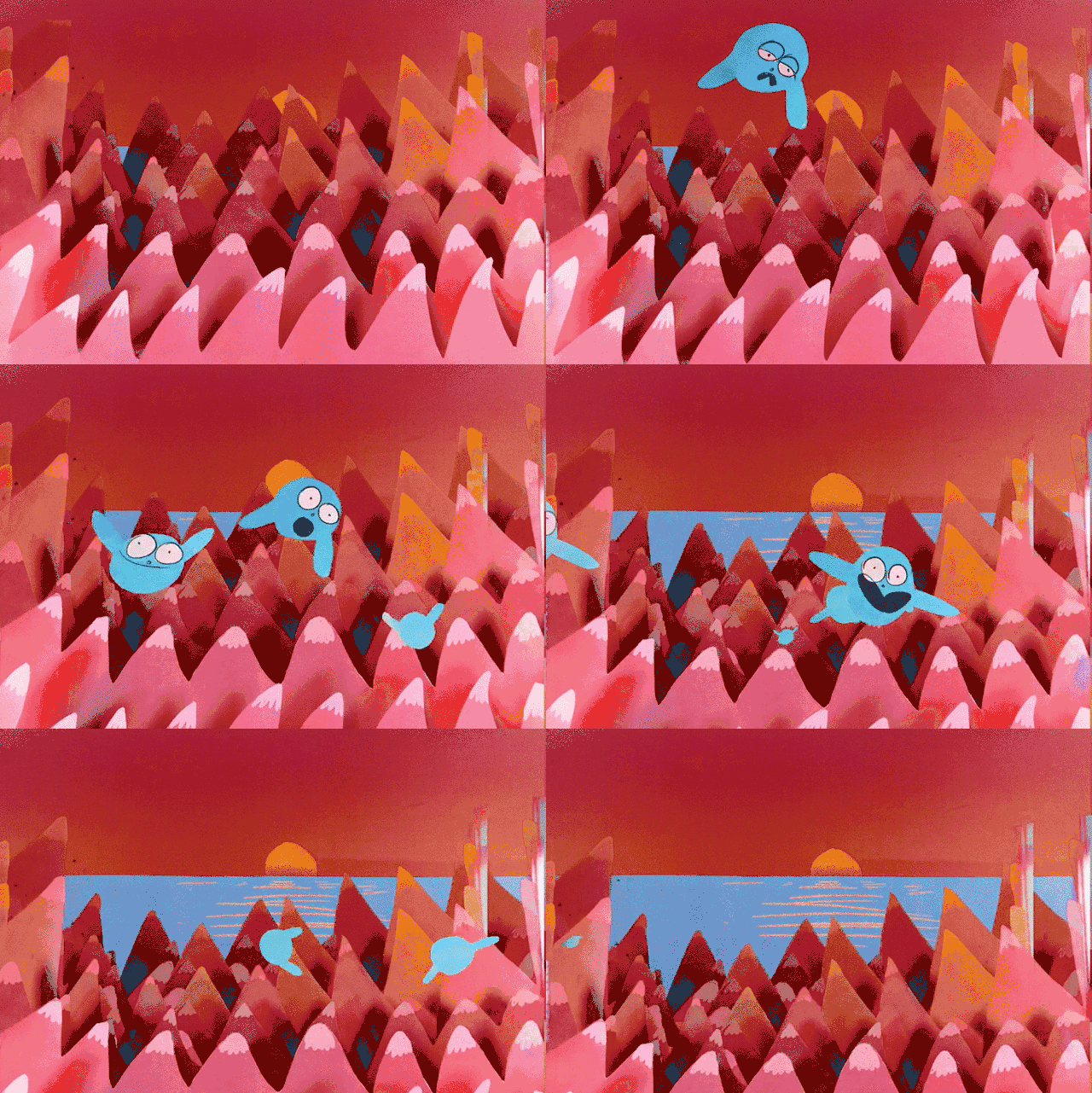
Summary: Jonni Peppers is an independent animator, filmmaker, and curator who built a self-sustained career. Over the course of her career, she has created 6+ hours of hand-drawn animation work, including multiple animated features. After facing early disillusionment with the mainstream animation industry, Jonni built her own freelance pathway to sustain herself. In this conversation with Dezi founder Nitya Mehrotra, she shares advice on working efficiently and managing the reality of an unstable creative career.
Jonni Peppers (jonnipeppers.com) has built an independent animation career by blending bizarre visual styles and effective storytelling. Homeschooled for most of her childhood, Jonni began animating at the age of six. By high school, Jonni had already pitched a pilot to Frederator Studios, the company behind Adventure Time. Currently, she also runs an independent film festival called Transfiguration International Film Festival and serves as a lead animation programmer at Slamdance Film Festival.
Jonni graduated with a BFA from the California Institute of the Arts in 2019. Jonni also finished Wasteland, an 80-minute anthology feature compiling five films created during her time at CalArts. The anthology concluded with the acclaimed hand-drawn project The Final Exit of the Disciples of Ascensia.
Why Jonni Left Studio Animation to Work Independently
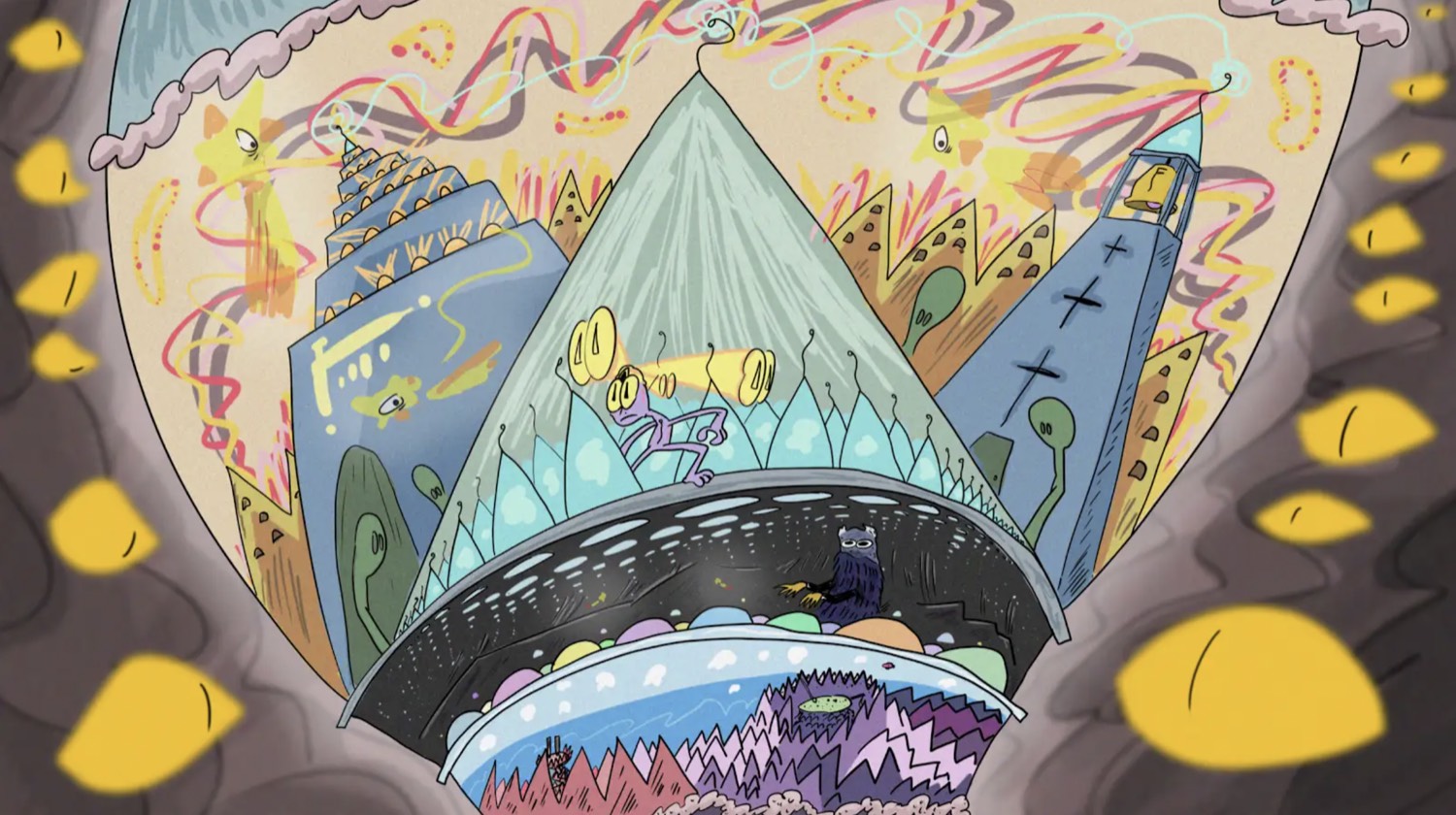
Talking to Nitya about her early realization that the animation industry runs on exploitative labor, Jonni mentions that her first major studio job showed her a clear picture of how animation is actually produced. The American industry relies heavily on outsourcing to Asia in sweatshop-like conditions.
Finding herself as the only student on financial aid at CalArts shaped how she pursued future endeavours. Jonni reframed her tuition as the budget for making a feature film. By the time she finished CalArts, she had completed her feature, and around the same time, she made many more well-known films, such as Goodbye Forever and Disciples of Essentia. Having kickstarted her independent career with these films, she started her Patreon account, and people began finding her through them. After which she joined BuzzFeed for five months and realised she had to find something else.
Jonni pitched projects to Hollywood, Netflix, Sony, and Cartoon Network, but none of them landed, which made it clear to her that if she had to sustain herself, she needed to work independently. Building a Patreon account helped her through the process, and she quit her job and started a ten-episode flash-animated series called Secrets and Lies in the Town of Sinners.
The Economics of an Art Career
Nitya points out that many artists feel disconnected regarding the financial realities of their work, and Jonni agrees. Jonni advises young animators to figure out how to work economically, take healthy shortcuts, and actually finish their projects on time. For her, expressing emotions with the least amount of labor is the priority, and hence her biggest advice to students is to "figure out how to work fast and efficiently without hurting yourself." To be able to complete a passion project is important, and thus she mentions, "I'd rather finish something, even if it's imperfect, than never finish at all." Jonni stresses the importance of having an efficient art career instead of chasing perfection. She articulates her suggestion, saying, "Resources are finite: time, money, energy, all of it runs out, so you have to plan around that."
Jonni believes in forging real human connections instead of going after corporate "networking." She makes friends, and since her personality always stands out among people, she does not hesitate to speak intensely, which often makes her memorable. She describes her process of networking:
...networking isn't really a deliberate strategy, it's more that I make a lot of sincere friends, people who genuinely like each other and want to help each other out.
Is My Work Too Weird to Find an Audience?
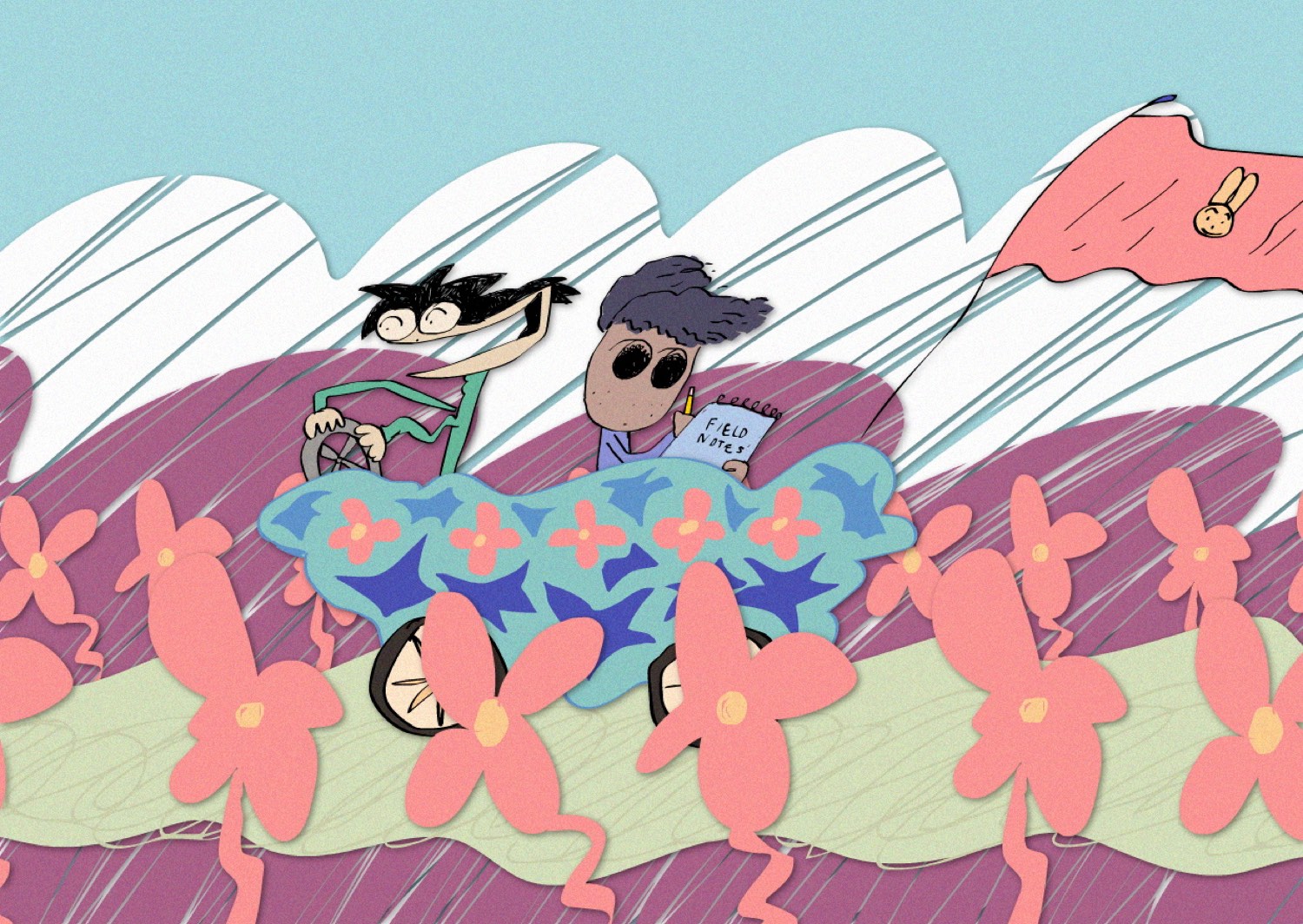
Discussing the themes of her work, Nitya asks how Jonni finds an audience for such unconventional material. Some specific themes of her work are cults, religion, and people who do not fit into society. Jonni notes that the real challenge is not whether the work is too weird but how to pair that strangeness with genuine emotional accessibility, creating stories that frequently resonate with the audience.
I think the real question isn't 'is my work too weird,' it's how to make weirdness digestible so people can resonate with it emotionally. A lot of my ability to connect with people comes from an emotional accessibility in my storytelling...
She talks about how people end up studying animation for fun and do not realize the amount of work it takes. For Jonni, it was never just a dream to pursue animation. She says, "I approached it logically: I need money, and making a show is a path to that. It's all connected and practical." She emphasizes that dreams require a whole tangible process behind them.
Bringing Equity in Animation
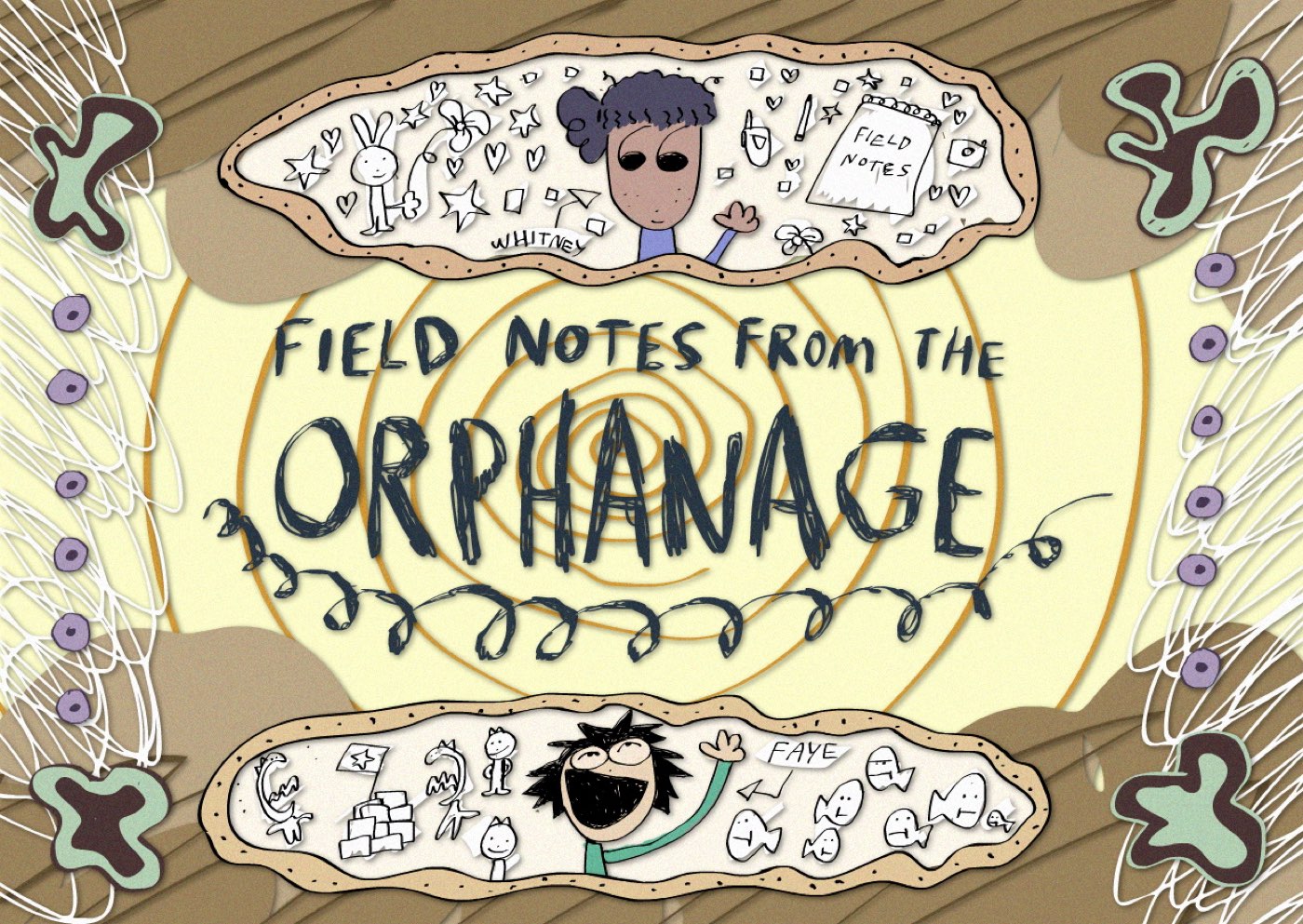
Beyond creating animation, Jonni runs an independent film festival called Transfiguration International Film Festival. Nitya asks what she looks for when curating and featuring artists, and Jonni explains her specific requirements and her idea of bringing more diverse representation through her festival. She gravitates toward people who push against the constraints of their circumstances and succeed without institutional infrastructure behind them. She recalls attending a film festival with a group of nonwhite female friends and realizing that the entire event did not feature a single project by a woman.
Her film festival becomes an example of responsible artistic endeavor that forges connection and builds community by focusing primarily on diverse and female voices.
Jonni's journey shows that building a career in animation is not easy, yet persistent efforts and having a firm grip on the tangible realities behind your dreams can help you develop a well-established career. Despite all the hardships and the unstable nature of an artist's career, one must stay true to their artwork and balance the unique artistic vision with the practical demands of survival. Jonni built her career with passion and took responsible, socially meaningful steps to improve the industry from within while simultaneously serving the audience with her well-known works.